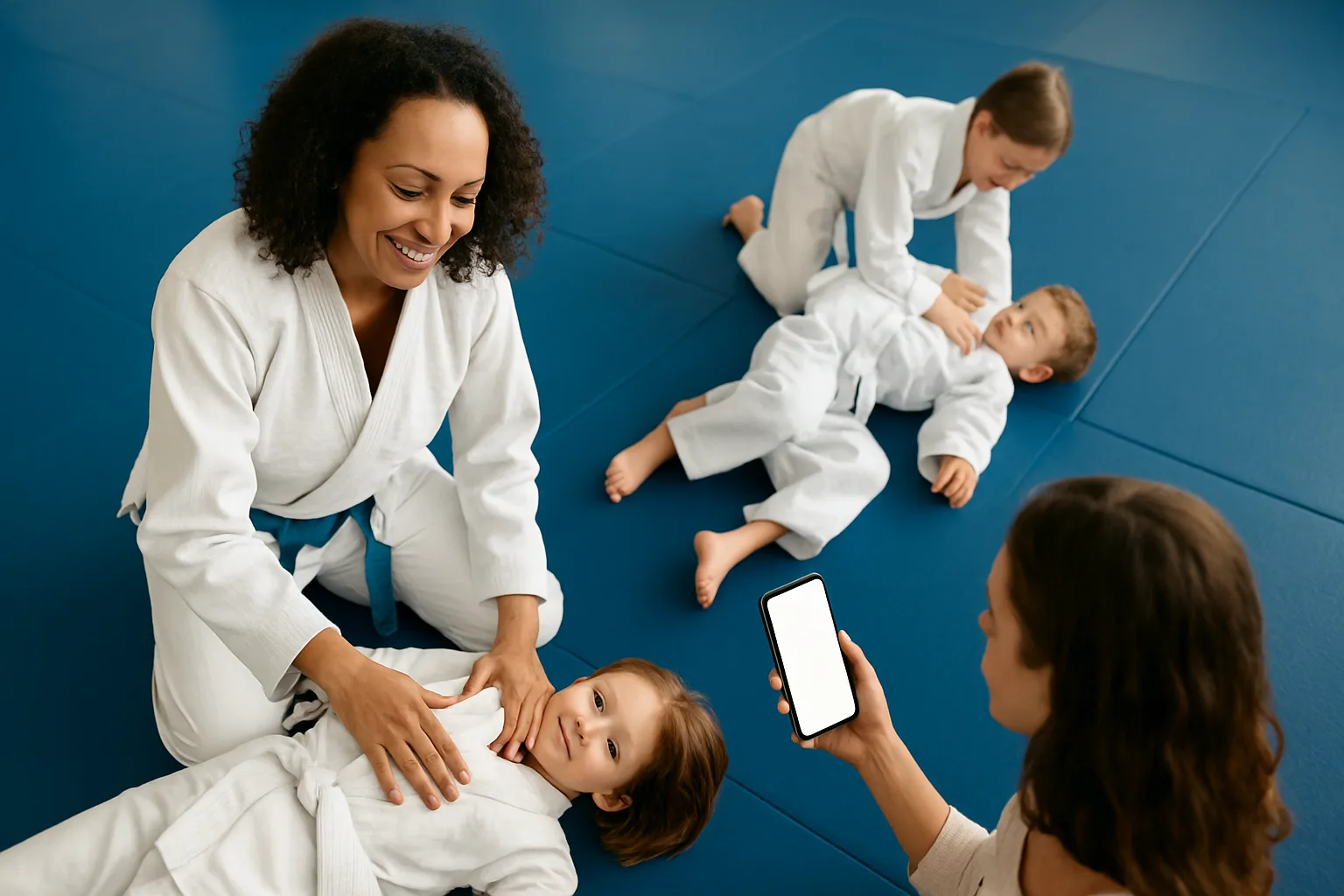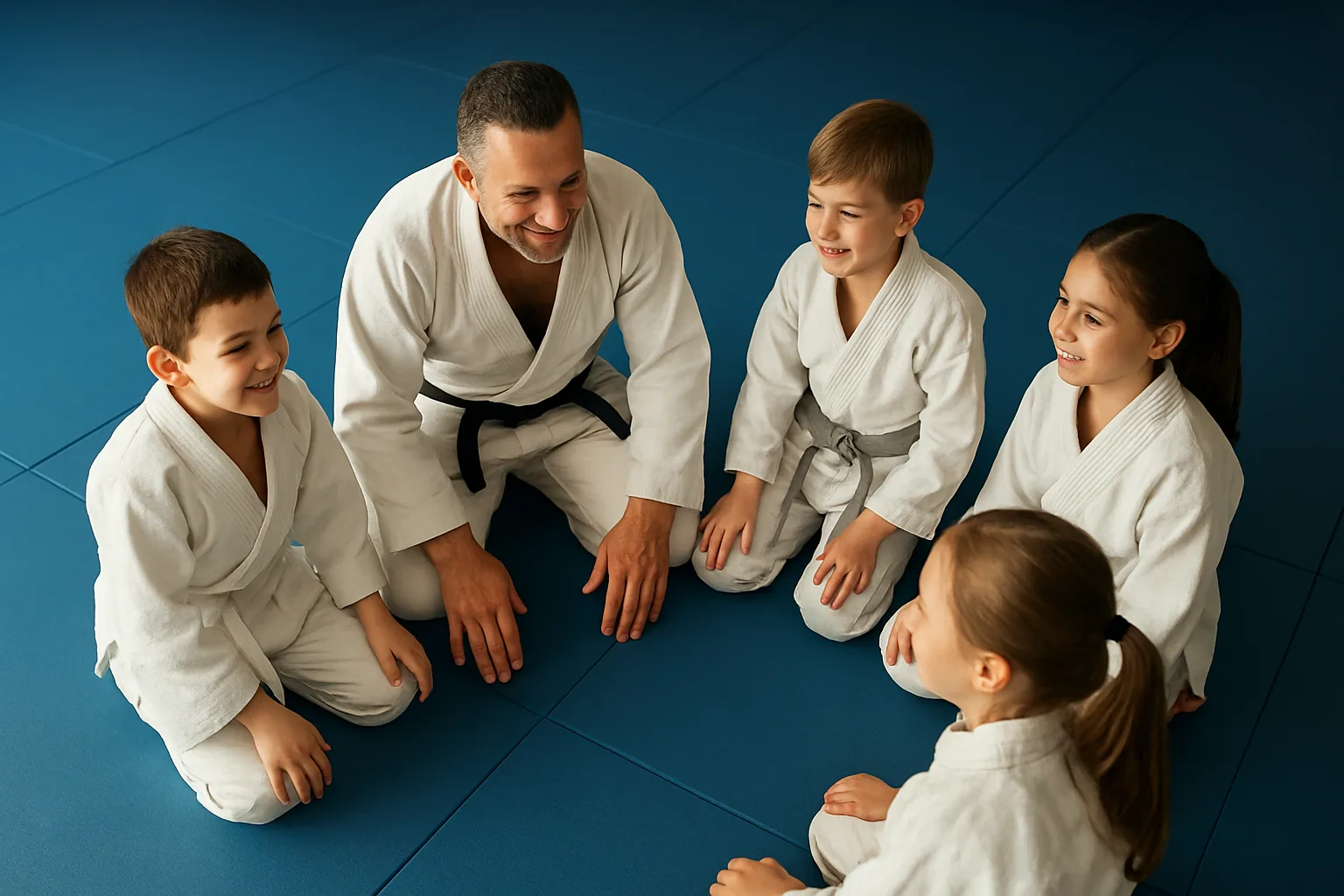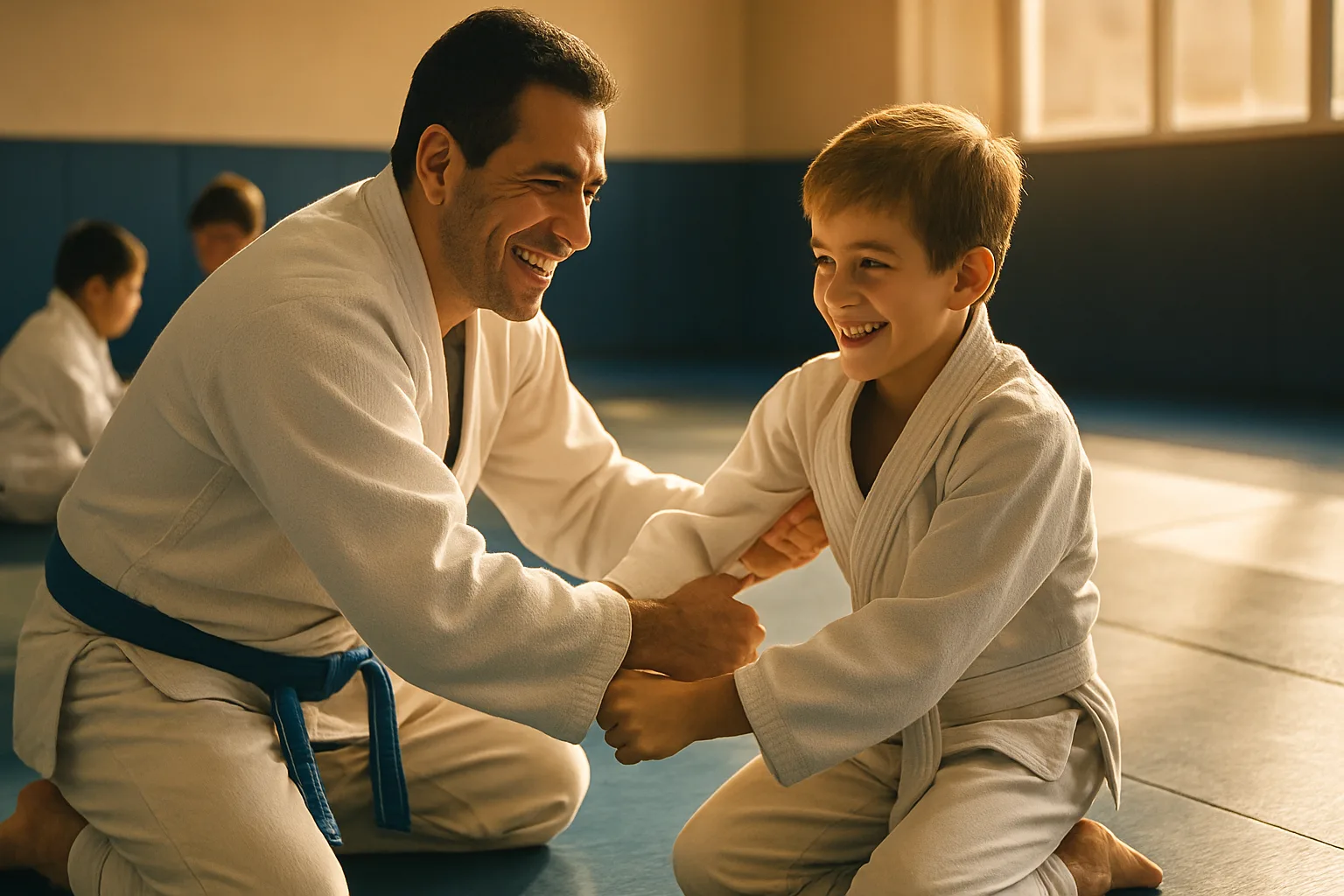
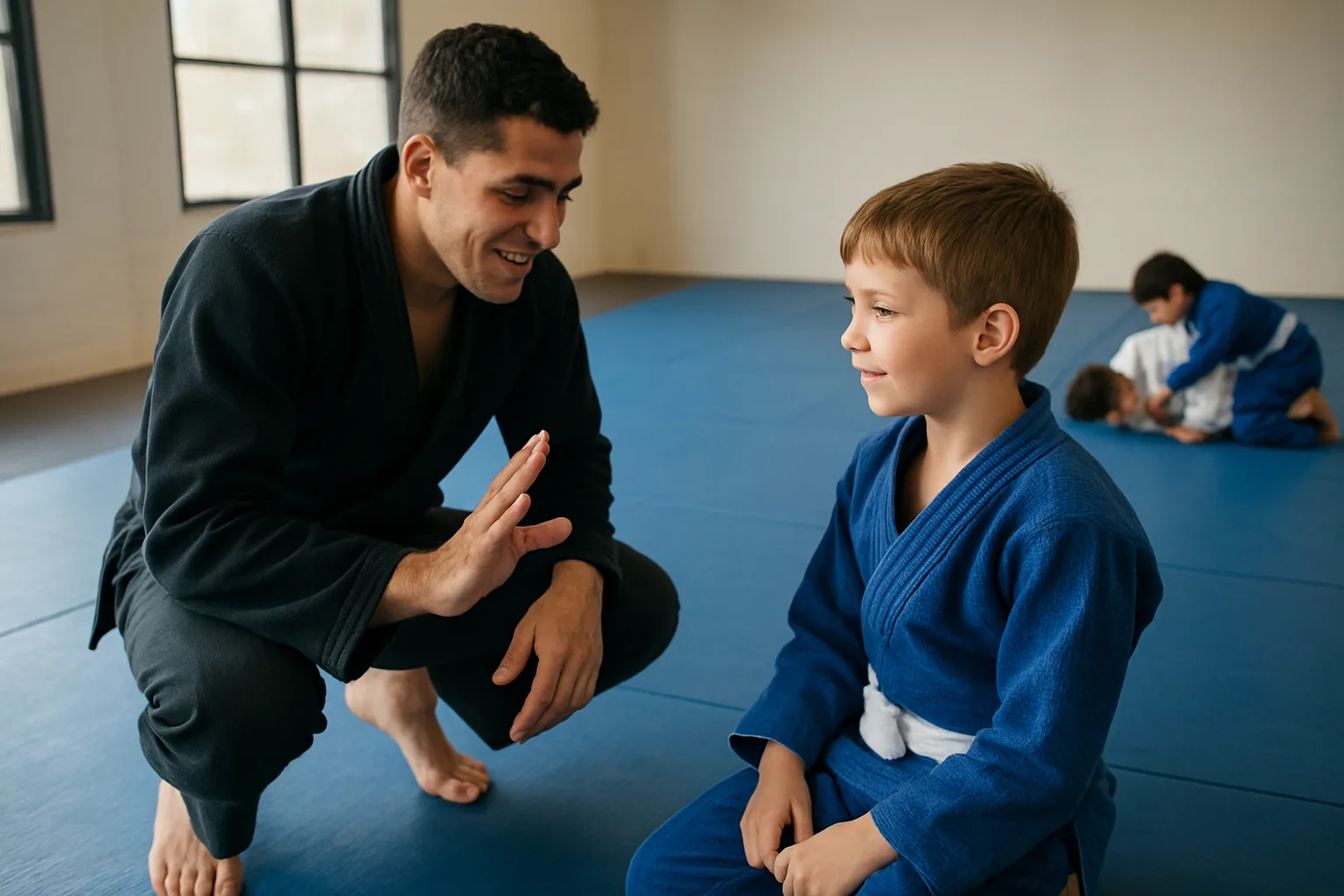
A child who hangs back during a game or struggles to speak up may need steady practice, not pressure. **Coaching Methods to Build Confidence in Young Bjj Students** can help kids take manageable steps, learn from mistakes, and recognize their progress on the mat.
Brazilian Jiu-Jitsu combines movement with problem-solving in a guided setting. With age-appropriate instruction, children can build skills gradually, practice staying calm when challenges arise, and show respect for their training partners.
At Renzo Gracie Doral in Doral, Florida, kids’ classes are organized by age, experience, and technical development. Coaches support each student with supervised practice and individual feedback, while reinforcing confidence, posture, discipline, and strategies for preventing bullying.
Coaching Methods to Build Confidence in Young BJJ Students
Confidence in youth BJJ is a child’s growing belief that they can attempt a task, learn from feedback, and keep going safely. Coaches do not create that belief with praise alone; they help children collect real experiences of effort and progress. Therefore, every class can become a series of manageable opportunities to practice courage.
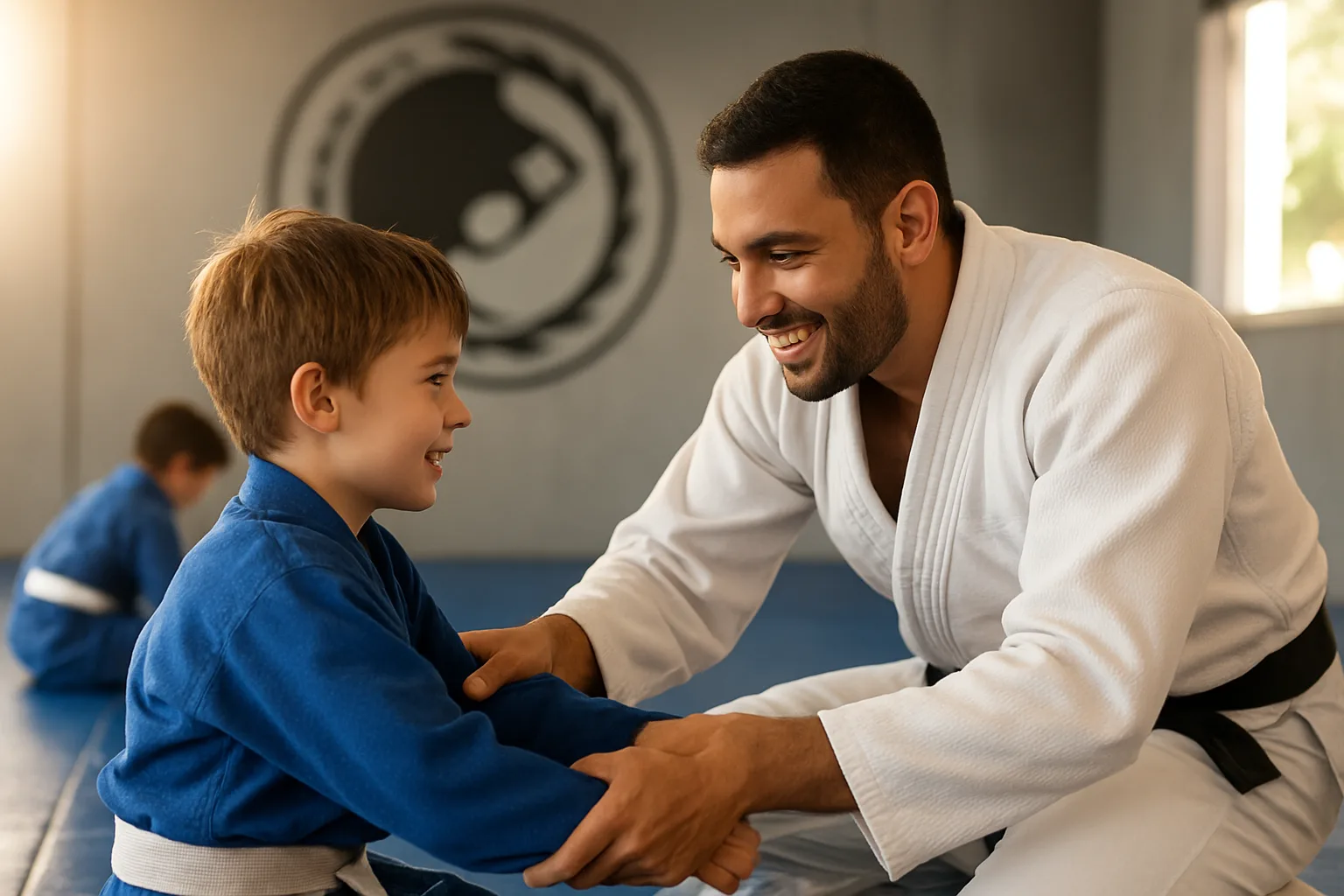
A coach might notice a student who is nervous about falling, pairing up, or trying a new movement. Instead of demanding immediate performance, the instructor can explain the task, demonstrate it, offer support, and invite the child to try one small part. As a result, success feels attainable without lowering expectations.
This approach also recognizes that confidence develops differently for each child. Some students speak readily but hesitate during drills; others move confidently yet need help asking for a turn. Coaches who observe individual needs can adjust encouragement while keeping class rules consistent.
Use Small Goals and Specific Feedback
Specific, achievable goals help children connect effort with improvement. Coaches can divide a complex technique into clear actions, then recognize what the student did well and what to try next. For example, “You kept your base while your partner moved” gives a child useful information, while a broad “You’re great” does not explain how to repeat the behavior.
Goals should focus on learning and controllable actions rather than winning or comparing students. A young learner might work toward remembering a safe position, following a two-step instruction, or completing a drill with steady effort. In addition, coaches can revisit the goal over several classes so children see that progress can be gradual.
Useful coaching practices include:
– Set one or two simple skill goals for a class, appropriate to the student’s age and level.
– Praise effort, focus, respectful conduct, and thoughtful problem-solving with concrete examples.
– Offer one correction at a time, then allow the child to practice it.
– Mark progress privately or with a simple skills checklist, not a public ranking.
– Treat mistakes as information: explain what happened and demonstrate the next attempt.
At Renzo Gracie Doral, programs organized by age and level create a structure in which instructors can match technical expectations to a child’s development. That structure makes feedback more useful and helps students build confidence from skills they have actually practiced.
Make Safety and Trust Part of Every Class
A safe class gives children clear boundaries and predictable coaching. Before partner drills, instructors should explain the task, demonstrate the movement, identify when to stop, and supervise practice. Children also need to know that they can ask a question or tell an instructor when they feel uncomfortable.
BJJ involves close-contact practice, so communication and control matter. Coaches can teach students to follow instructions, respect a partner’s limits, and stop promptly when a drill ends or a partner signals. They should pair students thoughtfully and monitor interactions rather than assuming every child understands the same boundaries.
For families, confidence grows more readily when the training environment feels organized and supportive. Renzo Gracie Doral emphasizes supervised instruction and classes separated by age, level, and technical development. Parents can ask how instructors teach safety, manage partner work, and respond when a student feels overwhelmed before choosing a program.
Turn Challenges Into Calm Problem-Solving
Coaches can help children approach difficulty as a problem to solve, not proof that they are incapable. In a drill, a student may lose balance, forget a step, or find that a partner’s movement changes the situation. The instructor can pause, name one detail, and guide a fresh attempt. Consequently, students practice recovering from frustration as well as learning technique.
The coach’s language shapes the lesson. “Let’s look at where your base went” invites observation; “You’re not trying” assigns blame and may make a child avoid future attempts. In addition, instructors can model calm breathing and respectful communication, then give students time to use those tools.
Competition can be part of some students’ development, but it should not define every child’s progress. Coaches should distinguish optional competition goals from core learning goals and reinforce that a student’s value does not depend on a match result. For many families, the everyday gains—focus, composure, physical literacy, and willingness to try—are just as meaningful.
Teach Awareness and Assertiveness Without Promising Outcomes
BJJ classes can help children rehearse awareness, confident posture, and respectful responses, but martial arts cannot guarantee that bullying will stop. Coaches should frame self-defense as one part of a broader safety plan that includes seeking help from a trusted adult, following school procedures, and avoiding escalation where possible.
A responsible instructor can discuss boundaries in age-appropriate language and teach children to recognize when a situation is becoming unsafe. Students can practice using a clear voice, creating space, and asking for help. However, they should never be encouraged to test techniques on classmates or treat training as permission to fight.
The children’s program at Renzo Gracie Doral includes a stated focus on confidence, posture, respect, and bullying prevention. Families can reinforce those lessons by talking through practical scenarios at home and reminding children that reporting a concern is a sign of good judgment, not weakness.
Partner With Families and Notice Progress
Parents and coaches support confidence best when they communicate about the child’s experience, not just rank or performance. Ask what felt comfortable, what was challenging, and what the student wants to practice next. Similarly, coaches can share observable examples of growth, such as following instructions more independently or showing respect during partner drills.
Families considering kids’ Jiu-Jitsu classes in Doral can look for an organized program with age-appropriate instruction and opportunities for individual development. During an introductory visit, consider asking:
– How are classes grouped by age, experience, and skill level?
– How do instructors adapt a drill when a child feels unsure?
– What safety rules apply to partner practice, and how is it supervised?
– How do coaches give corrections and recognize progress?
– How does the program address respect, boundaries, and bullying concerns?
Renzo Gracie Doral offers children’s and teen Brazilian Jiu-Jitsu programs, structured beginner classes, and a free trial class. The academy’s Renzo Gracie lineage and organized training model may be relevant to families comparing local options. A trial gives a child a chance to experience the class format and gives parents a chance to observe coaching, safety, and communication firsthand.
What Children Can Practice Beyond Technique
A well-coached class can reinforce habits that matter outside the academy, while avoiding promises that every child will change in the same way. Students repeatedly listen to instructions, take turns, work with partners, and respond to feedback. Over time, these routines can give children practice with patience, attention, and respectful communication.
For instance, a child who learns to pause and ask a coach for clarification is practicing self-advocacy. A student who accepts a correction and tries again is practicing persistence. These are concrete behaviors families can notice at home or school, though individual results depend on the child, consistent participation, and the quality of instruction.
Confidence-building coaching is not about making children fearless. It is about helping them recognize uncertainty, use support, and take an appropriate next step. That distinction keeps encouragement realistic and places safety and learning ahead of bravado.
Frequently Asked Questions
How can BJJ coaches build confidence in children?
Coaches can set achievable goals, teach skills in small steps, give specific feedback, and create supervised practice where children can ask questions and recover from mistakes. Consistent respect and safety boundaries help students feel supported as they learn.
Is Brazilian Jiu-Jitsu suitable for a shy child?
A structured, age-appropriate class may give a shy child gradual opportunities to participate without requiring them to perform confidently right away. Parents should observe a class or use a trial to assess whether the coach’s approach feels supportive for their child.
Can kids’ BJJ prevent bullying?
No class can guarantee that bullying will stop. BJJ may help children practice awareness, posture, boundaries, and seeking help, which should complement support from parents, schools, and other trusted adults.
What should parents look for in a kids’ Jiu-Jitsu class in Doral?
Look for age- and level-appropriate groups, clear safety rules, active supervision, respectful partner practice, and instructors who adapt coaching to individual development. Families can ask how the academy handles discomfort, corrections, and bullying concerns.
How often should a child attend BJJ classes to build confidence?
The best schedule depends on the child’s age, interests, family routine, and recovery needs. Ask the academy for guidance and choose a sustainable routine that allows consistent practice without making attendance a source of pressure.
Does a child need to compete to gain confidence in BJJ?
No. Children can build skills and confidence through regular classes, drills, and personal progress without entering competitions. Competition should be an optional goal discussed with the child and coach.
What happens in a free trial class at Renzo Gracie Doral?
A trial gives a family an opportunity to experience the class and observe instruction, organization, and safety practices. Contact the academy directly for current scheduling and participation details.
How should parents talk to a child after a difficult class?
Ask open questions such as what felt hard and what the child learned, then listen without comparing them to classmates. Reinforce effort and safety, and share relevant concerns with the instructor so the next class can be better supported.
Conclusion
Confidence in young BJJ students grows through safe repetition, clear goals, specific feedback, and patient coaching—not pressure or promises. For Doral families, Renzo Gracie Doral offers structured children’s and teen programs, supervised training, and a free trial class to help parents evaluate the environment. Observe a class, ask about safety and individual progress, and let your child’s experience guide the next step.