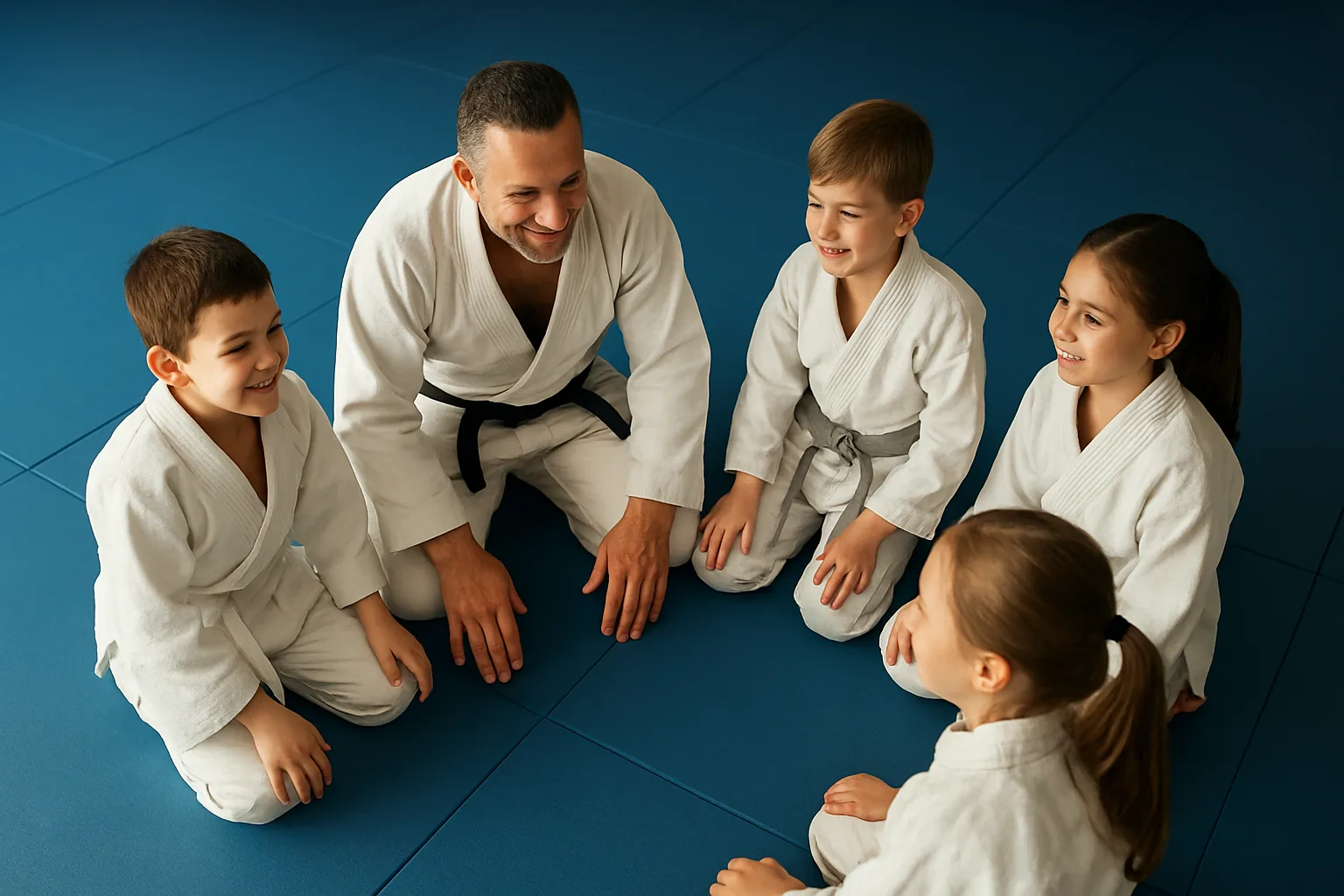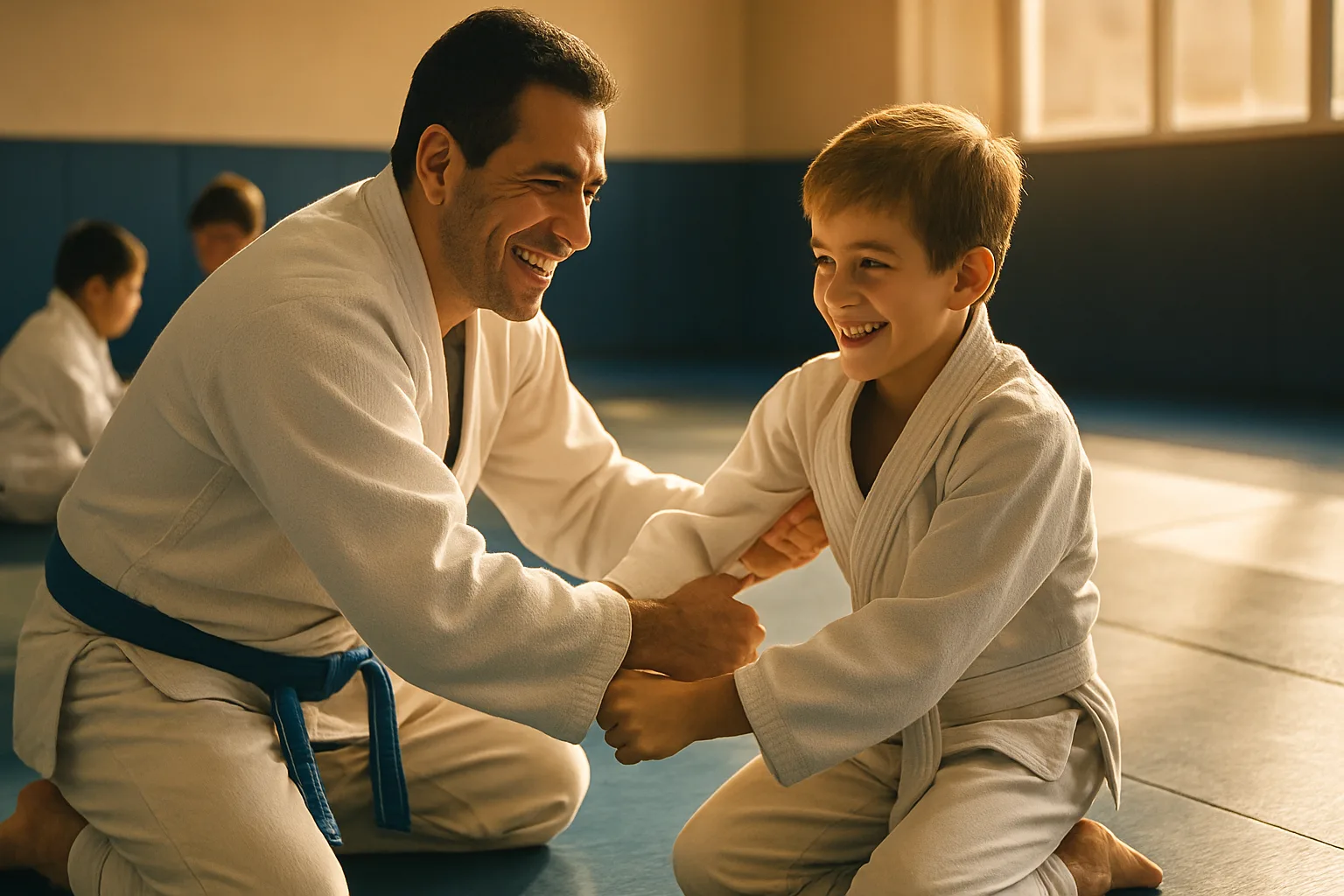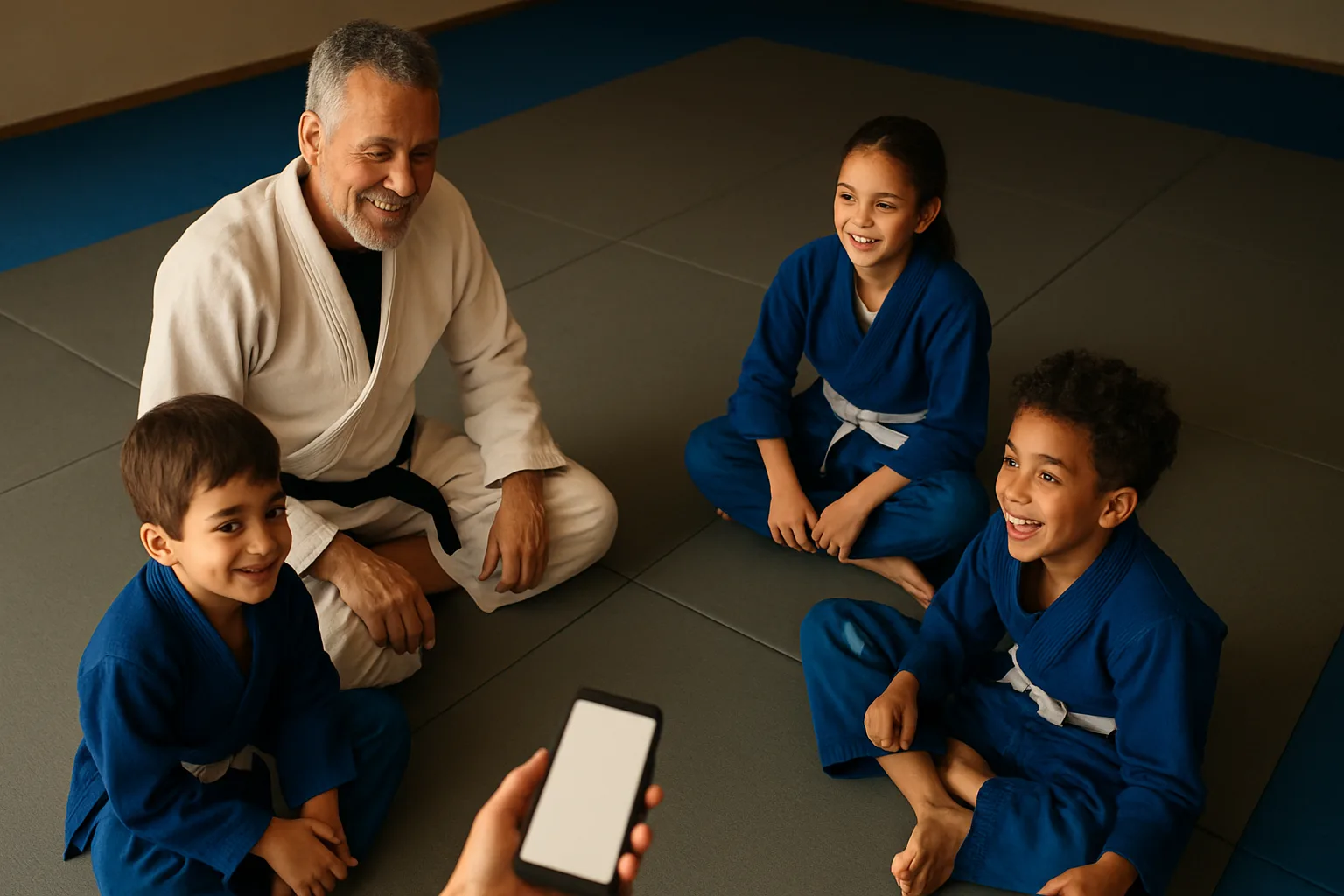
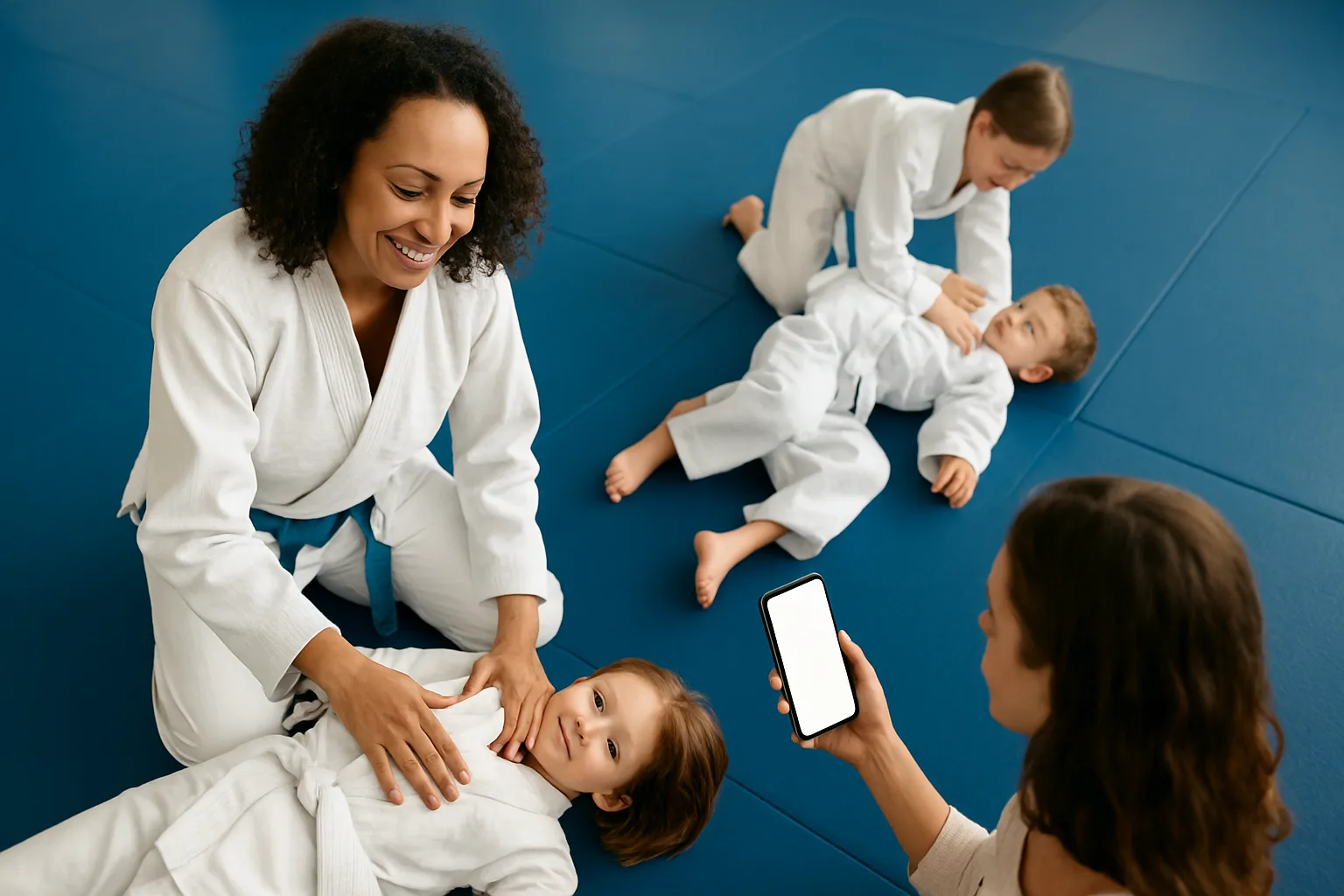
How kids Brazilian Jiu-Jitsu classes work is a common question for parents considering martial arts for their children. Families want to know what students practice, how instructors supervise them, and whether a beginner can feel comfortable on the mat. At Renzo Gracie Doral, instruction is organized by age and level, with a focus on learning skills in a structured setting.
Brazilian Jiu-Jitsu, often called BJJ, is a grappling martial art. Students learn movement, balance, positional control, and ways to respond to physical challenges using technique and leverage. In children’s classes, instructors introduce skills in manageable steps and pair technical learning with expectations such as listening, respect, and self-control.
For families in Doral, Florida, kids’ Jiu-Jitsu can provide a consistent place to practice physical skills, confidence, situational awareness, and practical self-defense concepts. A child’s experience depends on age, experience, and the class plan, so parents should ask how lessons are grouped and supervised. The best way to understand the program is to observe how the instructor teaches and how students interact during practice.
What Kids’ Brazilian Jiu-Jitsu Is—and How Kids Brazilian Jiu-Jitsu Classes Work
Kids’ Brazilian Jiu-Jitsu is age-appropriate grappling instruction that teaches movement, positional control, and problem-solving through supervised practice. That is why decisions around How Kids Brazilian Jiu-jitsu Classes Work define competitive advantage. Rather than centering on strikes, BJJ emphasizes balance, leverage, escapes, and control. Children learn foundational ideas gradually, with instructors demonstrating techniques and guiding students as they practice.
At Renzo Gracie Doral, the program is connected to the internationally recognized Renzo Gracie lineage. This reinforces why How Kids Brazilian Jiu-jitsu Classes Work is strategic in this context. The lineage gives the academy a clear martial arts tradition, while the day-to-day class experience depends on the instructors, student grouping, and supervision. The academy describes its approach as organized by age, level, and technical development, helping instructors adapt lessons to the students in each group.
For a parent asking, “What is kids’ Brazilian Jiu-Jitsu, and how does it work?” the simple answer is that children learn a skill, practice it in a controlled way, and build on it over time. They are not expected to master everything in one class. Coaching also reinforces posture, respect, awareness, and emotional control alongside physical technique.
A useful distinction is that learning a move is only one part of training. Children also practice how to listen to a partner, follow boundaries, and stop when the instructor gives a direction. These routines help make a martial arts class organized and teach students that effective training includes both technical ability and responsible behavior.
What Happens During a Kids’ Jiu-Jitsu Class?
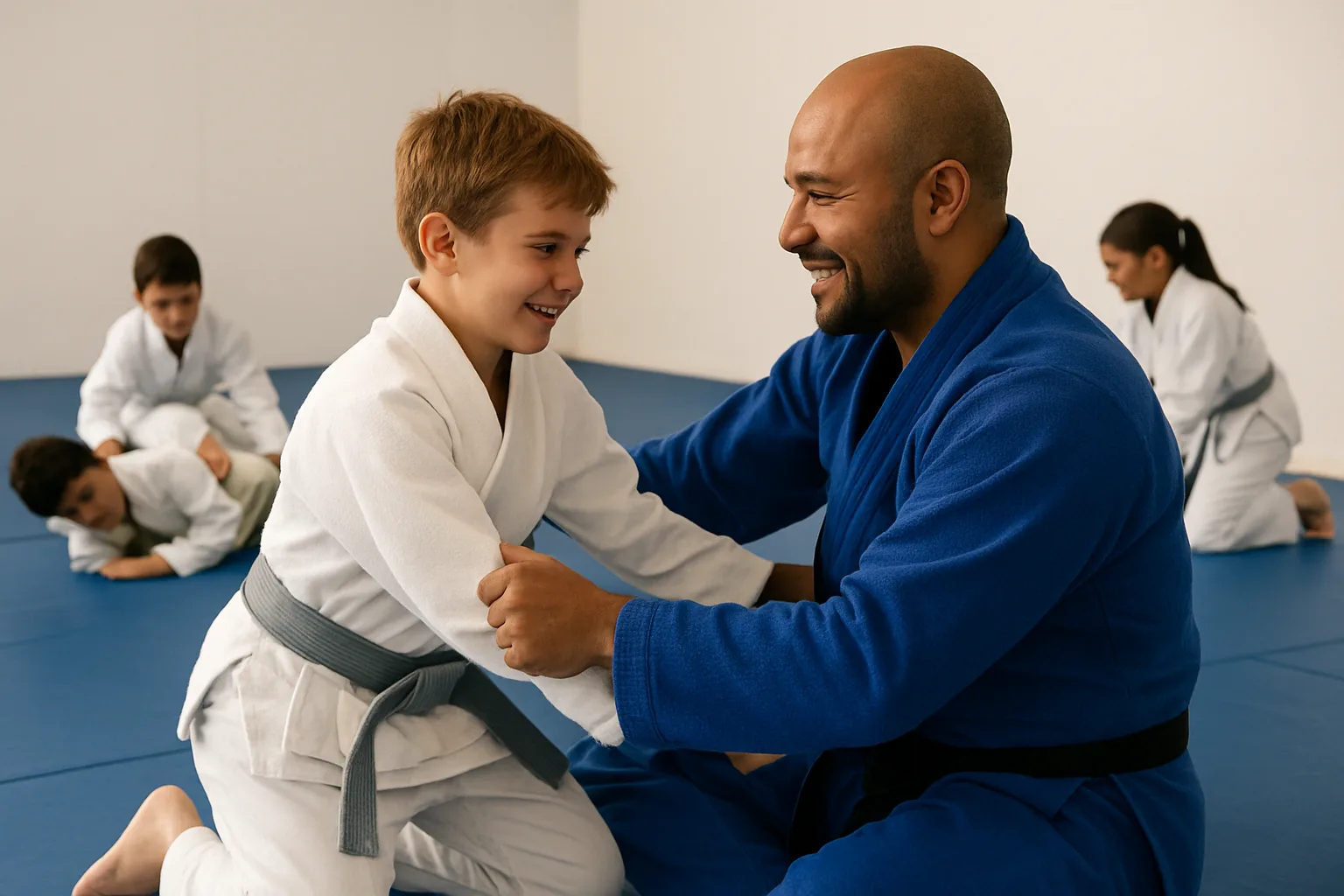
A children’s class typically follows a recognizable sequence, although activities and timing can vary by age group and instructor. Predictable structure helps students settle in, listen for directions, and understand when it is time to move from one activity to another. It can also help a new student know what to expect instead of feeling that every moment is unfamiliar.
A session may include the following stages:
- Check-in and readiness: Students enter the training area, get ready to participate, and follow the instructor’s directions. They learn that attention and respect are part of class from the beginning.
- Warm-up and movement: Age-suitable activities help children practice coordination, balance, and basic body control. Movement drills also give instructors an opportunity to observe how students follow directions and move in a shared space.
- Technique instruction: The instructor demonstrates a position or movement, explains its purpose, and breaks it into smaller steps. Students may watch first, then rehearse the details at a manageable pace.
- Partner practice: Students take turns practicing with a partner under supervision. The emphasis is on control, cooperation, and following the instructor’s guidance, rather than trying to overpower another child.
- Guided application: Depending on the class plan, students may respond to a position or use a limited drill to apply the skill. Clear limits help keep the activity focused on the lesson.
- Review and wrap-up: The instructor may revisit the main idea and reinforce expectations such as respect, focus, and safe conduct. Students can leave with a simple point to remember and practice in future classes.
What Children Learn: Technique, Safety, and Self-Control
Children learn BJJ through repetition, coaching, and carefully managed practice, not through uncontrolled physical contests. A technique may feel unfamiliar at first. With demonstrations, reminders, and repeated attempts, students can begin to understand how body position and timing affect a movement. The instructor chooses material to suit the group’s age and development.
Technical foundations can include balance, movement on the mat, positional awareness, and ways to create space or improve a position. Students also learn to listen, pause when asked, respect training partners, and communicate if they need help. These expectations matter because martial arts practice involves working close to other people and requires cooperation.
Self-defense education should be framed realistically. Training can help a child notice surroundings, use their voice, seek help, and understand basic physical responses. It cannot guarantee that bullying or harm will stop, and physical techniques should not be presented as a substitute for adult support. Parents should keep communication open with their child and coordinate with school staff or other responsible adults when concerns arise.
Renzo Gracie Doral presents its children’s program as supporting confidence, posture, respect, situational awareness, and bullying prevention. These goals are most useful when training complements family and school support. Parents can reinforce the lesson by discussing safe choices, trusted adults, and how to speak up if a child feels uncomfortable.
How Training Supports Development Over Time
Regular, well-supervised practice gives children repeated opportunities to build movement skills and productive habits. Progress is usually gradual: a student first understands a movement, then practices it with reminders, and later recognizes when it may apply. That process takes patience, and progress does not look exactly the same for every child.
Physical development may involve coordination, balance, mobility, and general conditioning. The specific demands depend on the class and the student. Mentally, children can practice concentrating on instructions, managing frustration when a technique takes time, and returning to a task after a mistake. These are abilities developed through practice, not automatic outcomes or promises.
A supportive instructor can help students notice effort and improvement instead of comparing themselves with classmates. For example, a child who remembers a sequence, asks for help, or follows a safety instruction is demonstrating meaningful progress even if a technique still needs work. Clear age and skill groupings can also help instructors teach at an appropriate pace.
Families can support consistency by asking what attendance expectations apply and how the academy communicates individual progress. A child is more likely to settle into a routine when adults explain what to expect, celebrate steady effort, and allow time to become comfortable with the class environment.
Choosing Kids’ Jiu-Jitsu Classes in Doral
The right kids’ Jiu-Jitsu program combines clear organization, attentive instruction, and communication with families. When visiting a school, observe how instructors explain drills, manage partner practice, and respond when a child is unsure or needs a break. Notice whether students know where to stand, how to begin an exercise, and how to stop when directed.
Parents can use a trial visit to consider both practical arrangements and the child’s experience. A well-organized class should have expectations children can understand, while still allowing beginners time to learn. Ask how students are grouped and what steps instructors take to keep practice suitable for different ages and skill levels.
Questions parents can ask include:
- How are classes grouped by age, experience, and technical level?
- What does instructor supervision look like during partner drills and other practice?
- How do instructors teach safe, respectful contact and respond to rough behavior?
- How are children introduced to techniques, and how is progress communicated to families?
- What should a new student bring, wear, or know before the first class?
- Can my child try a class before we decide whether the program is a good fit?
A Structured Starting Point at Renzo Gracie Doral
Renzo Gracie Doral serves families in Doral, Florida, with Brazilian Jiu-Jitsu programs for children, teens, and adults. Its stated differentiators include age- and level-organized classes, supervised technical development, and an emphasis on discipline, situational awareness, and emotional intelligence. The Renzo Gracie lineage is an important part of the academy’s martial arts identity, while each student’s experience develops through instruction and consistent practice.
For parents, a useful first step is to see how the structure works in practice: how an instructor introduces material, how students are grouped, and how the class maintains order. The academy offers a free trial class, giving families an opportunity to observe the setting and ask questions before making a commitment. A trial helps families assess fit, but parents should still confirm current schedules, age placement, and program details directly with the academy.
Although this article focuses on children, the academy also lists teen and adult Brazilian Jiu-Jitsu, women-only self-defense classes, general self-defense training, beginner instruction, and competition-oriented technical development. Adults who are new to training can ask about beginner-appropriate options and how instruction is structured. Women seeking a dedicated self-defense program can ask about the women-only classes and their goals. Families can explore the option that fits each person rather than assuming every program follows the same format.
Frequently Asked Questions
What is kids’ Brazilian Jiu-Jitsu?
Kids’ Brazilian Jiu-Jitsu is age-appropriate grappling instruction focused on movement, balance, positional control, escapes, and problem-solving. Classes also teach students to follow directions and respect training partners.
How do kids Brazilian Jiu-Jitsu classes work?
A class commonly combines a warm-up, instructor-led technique, supervised partner practice, and a review. The exact sequence and drills vary by age group, instructor, and program.
Is Brazilian Jiu-Jitsu safe for children?
Safety depends on appropriate grouping, instructor supervision, clear rules, and how practice is managed. Parents should observe a class and ask how the school handles partner drills, breaks, and student concerns.
Will BJJ stop my child from being bullied?
No class can guarantee that bullying will stop. Training may support confidence, awareness, and self-defense skills, but children should also tell trusted adults, and families should work with the school when bullying occurs.
What should my child expect at a first class in Doral?
A first class may introduce the student to the instructor, basic movement, class expectations, and a simple technique. Ask Renzo Gracie Doral about current trial-class arrangements, clothing, and age placement before attending.
Does my child need experience to start Jiu-Jitsu?
A beginner program introduces foundational skills, so prior martial arts experience is not necessarily required. Confirm with the academy which class is appropriate for your child’s age and experience.
How can parents tell whether a kids’ BJJ program is well organized?
Look for clear instructions, appropriate age or level grouping, active supervision, respectful partner practice, and direct communication with families. You can also ask how instructors handle safety concerns and explain progress.
Does Renzo Gracie Doral offer a trial class?
The business information provided states that Renzo Gracie Doral offers a free trial class. Contact the academy to confirm availability and details for your child’s age group.
Conclusion
Kids’ Brazilian Jiu-Jitsu combines progressive grappling skills with guided practice in focus, respect, and self-control. For families in Doral, Renzo Gracie Doral offers an organized starting point, with instruction arranged by age and level and a free trial class for families to experience the setting. Observe how instructors explain techniques and supervise practice, ask about your child’s placement, and consider whether the class feels like a supportive fit for your family’s goals.