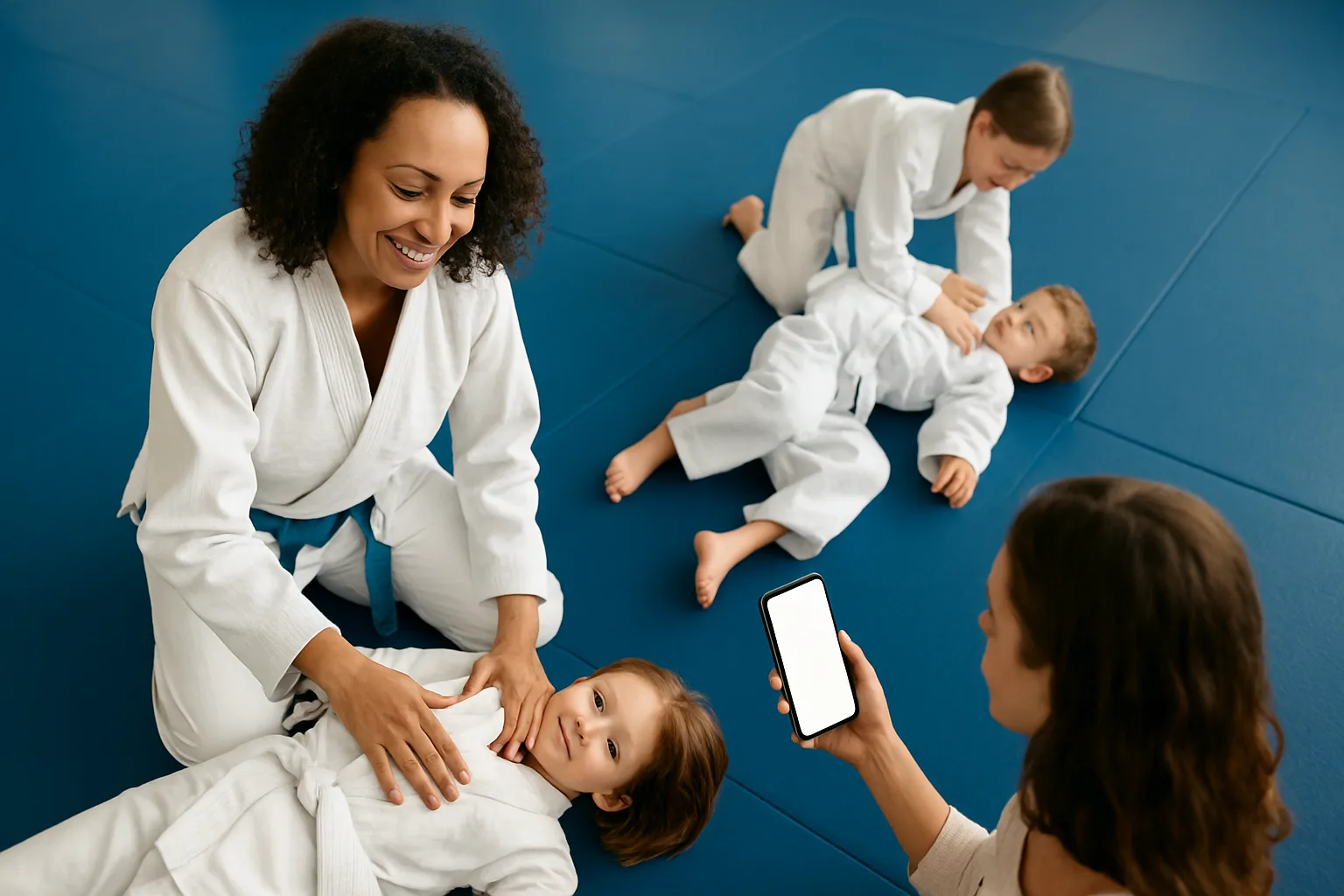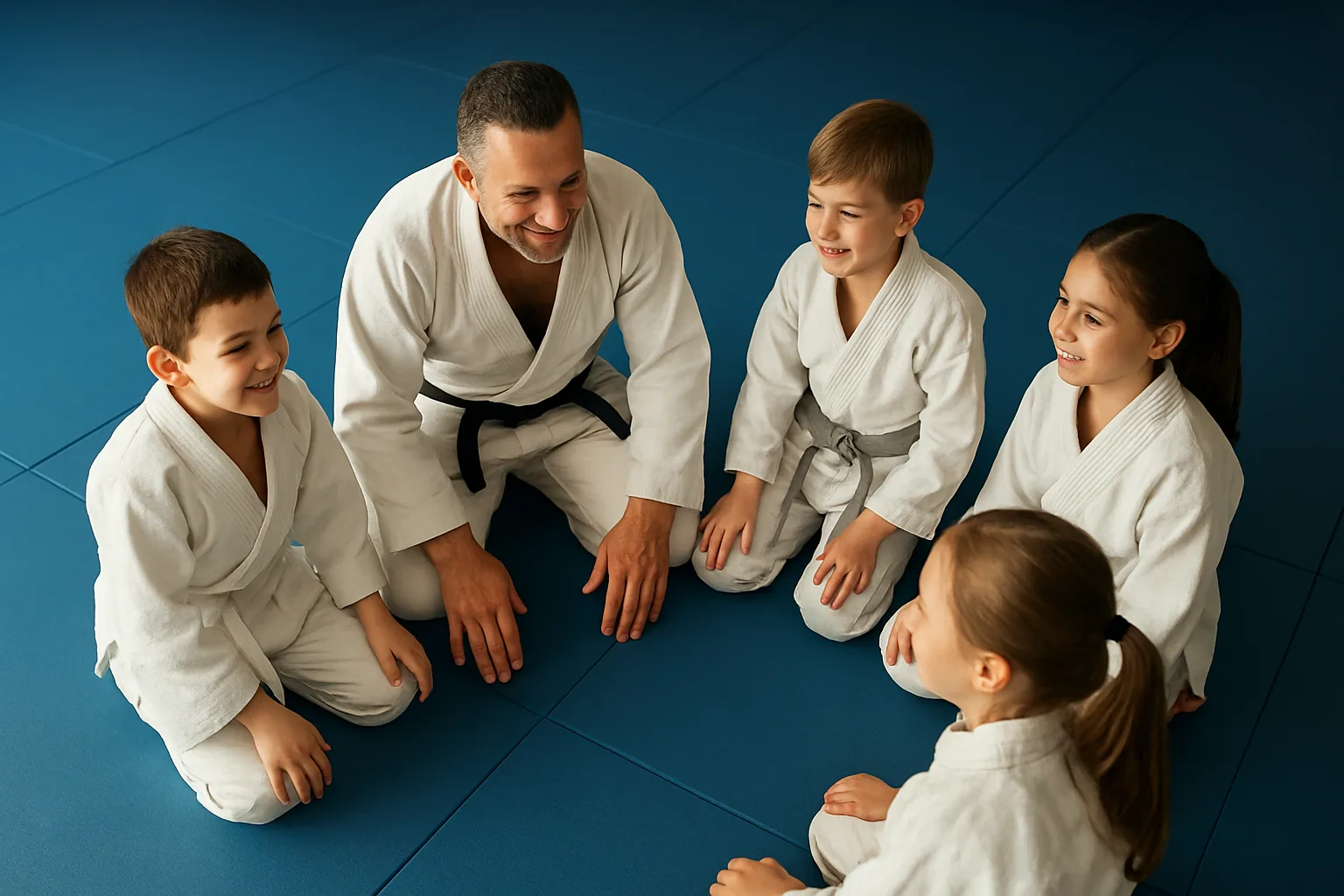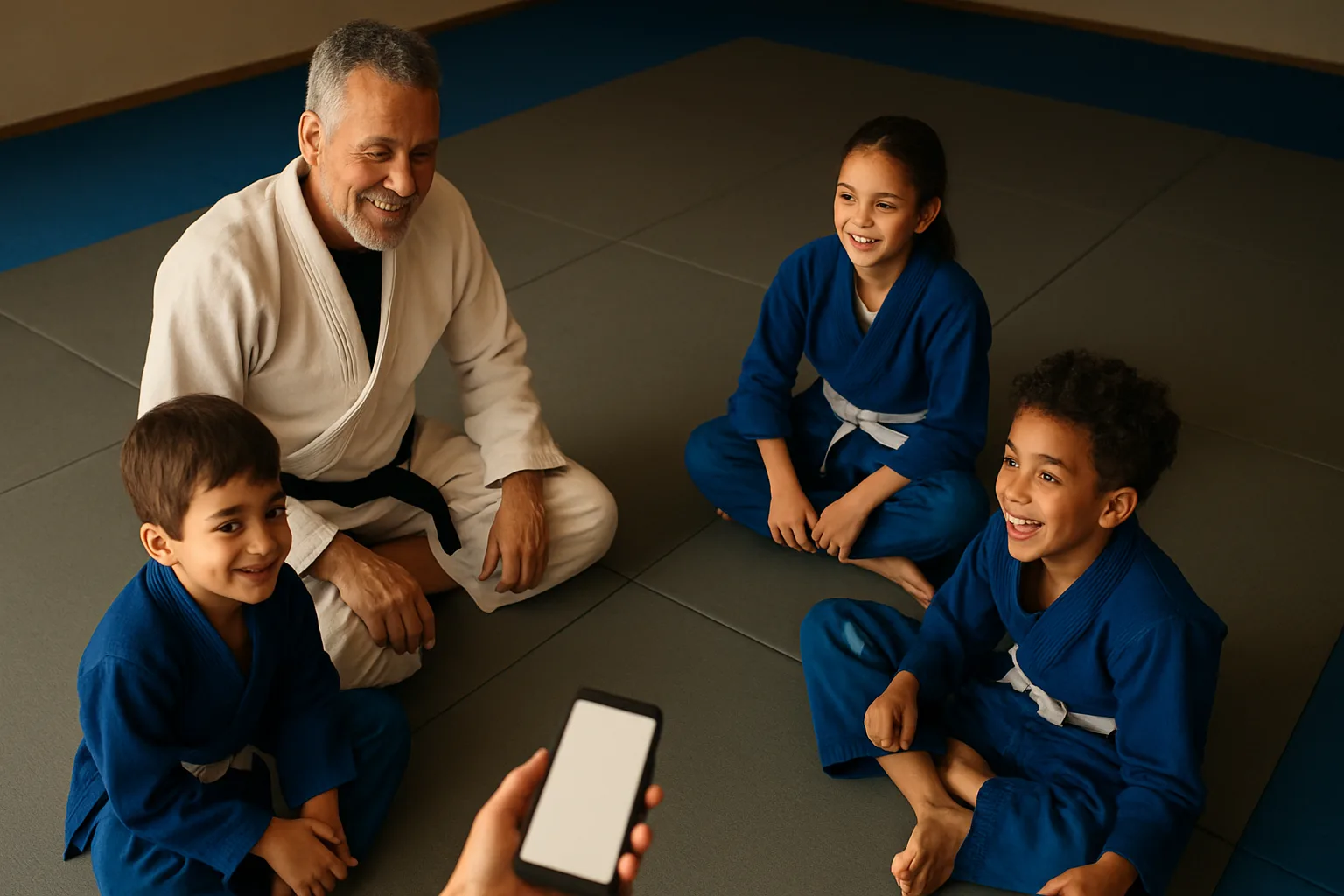
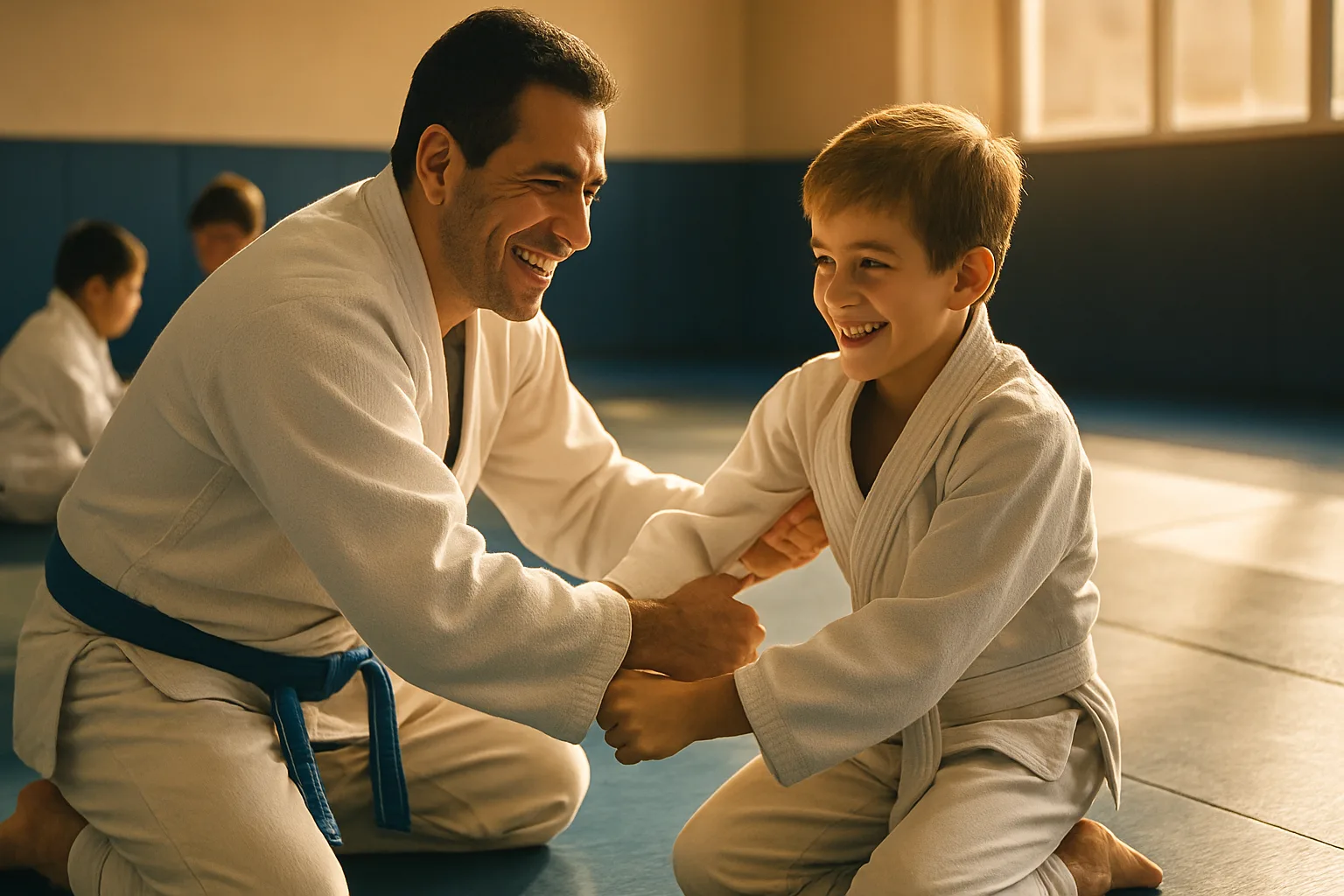
After school jiu jitsu for kids in Doral gives children a structured opportunity to move, learn, and practice confidence after a full day of classes. For families seeking more than an activity to fill the afternoon, Brazilian Jiu-Jitsu can combine physical skill-building with listening, respectful teamwork, and steady personal development.
At Renzo Gracie Doral in Doral, Florida, children train in an organized environment with programs arranged by age, level, and technical development. The children’s program emphasizes confidence, posture, respect, situational awareness, discipline, and bullying prevention. Progress is individual, however, and no single class can solve every challenge a child may face.
Parents can use a free trial class to see how instruction works, meet the coaches, and decide whether the program feels right for their child. This guide explains what children may practice, what families can look for in a structured class, and how to connect training lessons to responsible choices at home and school.
How After School Jiu Jitsu for Kids in Doral Can Build Confidence
Kids’ Jiu-Jitsu training offers children repeated opportunities to learn movement, solve physical problems, and practice with a partner under supervision. A student might first learn a basic movement, try it with coaching, and then recognize that it feels more familiar after several attempts. Those small steps can support confidence because progress comes from practice rather than from being naturally good at everything.
After school, a consistent class can also create a transition between the demands of the school day and the rest of the evening. Students listen to instructions, take turns, follow a sequence, and adjust when a coach offers feedback. These routines provide practical ways to work on focus and self-control in a setting with clear expectations.
At Renzo Gracie Doral, the children’s program connects physical development with personal conduct. Instructors can reinforce respectful behavior and encourage students to communicate when they need clarification or a pause. Confidence is not simply being loud or fearless; it can also mean trying something challenging, understanding personal limits, and making thoughtful choices. Families should look for gradual growth rather than compare one child’s pace with another’s.
Skills Children Can Practice on and off the Mat
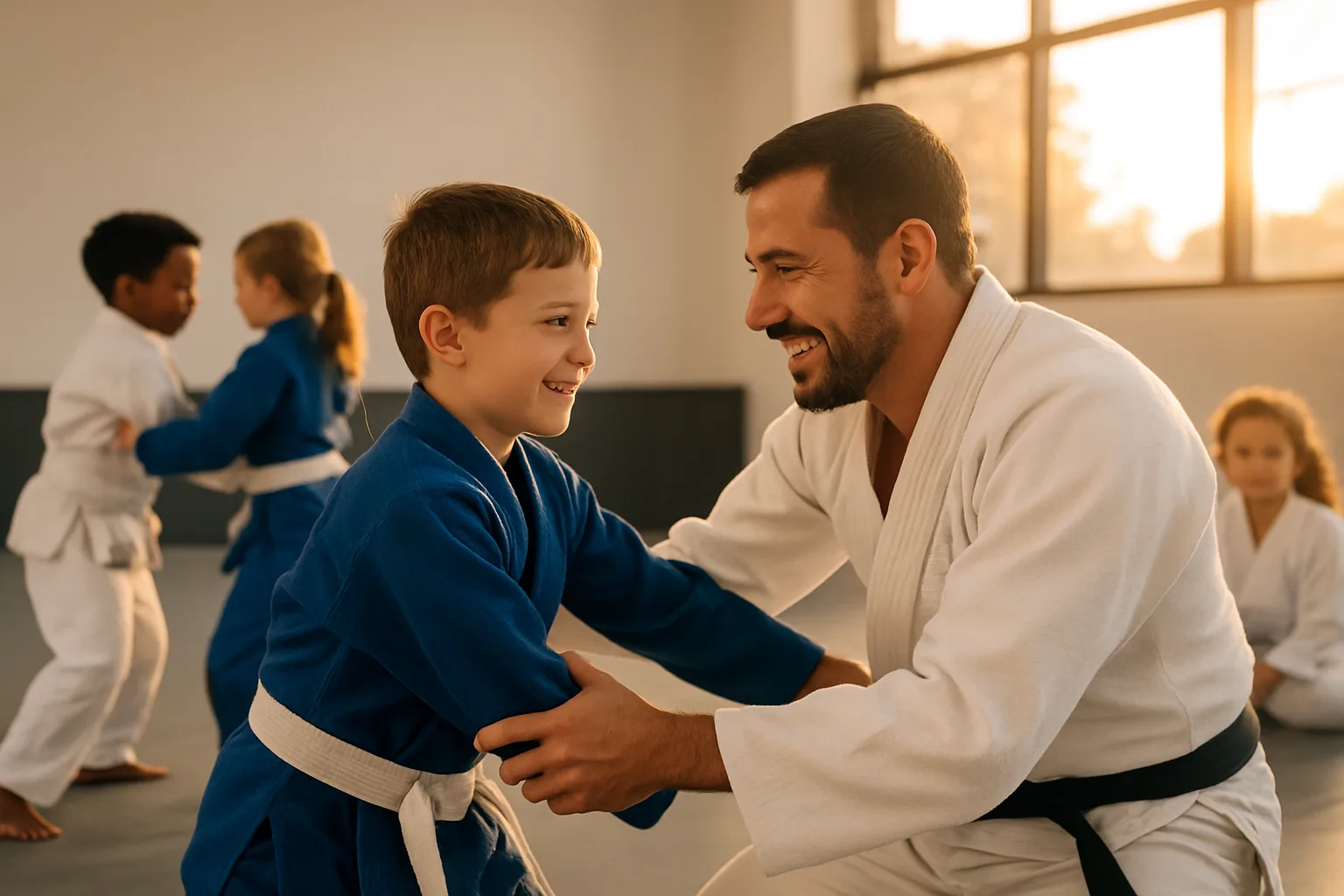
Brazilian Jiu-Jitsu gives children practical chances to rehearse skills that may support them beyond class. Training is supervised and partner-based, and the goal is learning—not encouraging children to seek conflict. Instructors can explain that techniques belong in a controlled training environment and that avoiding unsafe situations or seeking help remains important. Through regular practice, students can develop both physical awareness and habits of cooperation.
- Body awareness and balance: Children practice controlled movement and learn how their bodies occupy space. This can help them move with greater care during drills and other physical activities.
- Focus and listening: Students follow demonstrations, remember steps, and make adjustments when an instructor offers feedback. Repeating a sequence also gives them a reason to pay attention to details.
- Respectful cooperation: Partner drills involve taking turns, communicating, and treating classmates carefully. Students learn that a partner’s safety matters more than completing a movement quickly.
- Persistence: A difficult movement gives a child a reason to try again, ask a question, and notice incremental improvement. Coaches can recognize effort without making every practice a test.
- Situational awareness: Students can practice paying attention to their surroundings and recognizing when to get help from a trusted adult. Awareness is about making safer choices, not looking for confrontation.
- Healthy confidence: Children experience progress through practice instead of relying only on praise, comparison, or winning. That makes effort and responsible behavior part of the learning process.
Bullying Prevention, Awareness, and Safe Self-Defense
Bullying prevention combines awareness, clear communication, adult support, and appropriate boundaries. Jiu-Jitsu may contribute to a child’s confidence and physical understanding, but a martial arts class cannot guarantee protection from bullying or replace a school’s response, family guidance, or professional support when needed. A responsible program should frame self-defense as a last-resort safety skill, not as permission to retaliate.
Parents can explain that the priority in an uncomfortable situation is safety. Depending on the circumstances, a child can use a clear voice, move toward a safer place, and tell a trusted adult. Physical techniques should never be used to intimidate classmates or settle disagreements. In class, supervised practice helps children learn control and understand that physical skills come with responsibility.
This approach fits a program that emphasizes posture, respect, situational awareness, and bullying prevention. Families can ask instructors how they discuss boundaries, partner safety, and getting adult help. They can also reinforce the same messages at home: tell someone when behavior feels unsafe, do not keep a serious problem secret, and do not expect a child to manage persistent bullying alone. Connecting training with these conversations supports confidence without making unrealistic promises.
What a Structured Kids’ Program in Doral Should Include
A structured children’s Jiu-Jitsu program organizes instruction so students can learn safely and progress at an appropriate pace. Age and skill-level groupings matter because children develop at different rates. Clear coaching, appropriate supervision, and consistent expectations help make practice more purposeful for beginners and experienced students alike.
Renzo Gracie Doral serves families in Doral, Florida, and its stated approach includes classes separated by age, level, and technical development. The academy’s methodology is based on the Renzo Gracie lineage, an internationally recognized name in Brazilian Jiu-Jitsu. Instructors are committed to technical guidance and individual student development, helping families understand that a child’s progress need not follow someone else’s timeline.
When evaluating a class, parents can look beyond the activity itself. Consider whether students understand instructions, whether partner practice is supervised, and whether coaches make expectations clear. A welcoming, organized environment can help a new student feel more comfortable asking questions and learning at a manageable pace.
- Ask how students are grouped by age, experience, and development level.
- Observe whether instructors explain drills clearly and supervise partner practice throughout class.
- Look for consistent expectations around respect, listening, controlled contact, and safe participation.
- Ask how coaches provide feedback and help beginners build skills progressively.
- Notice whether the class environment feels organized and welcoming to your child.
- Share your child’s goals, concerns, and previous experience with instructors before or after a trial.
What to Expect at an After-School Class
An after-school class generally combines instruction, movement, and guided practice, although the exact schedule and lesson format can vary. Families should confirm current class times and age or level placement directly with Renzo Gracie Doral rather than assume every class follows the same timetable. Before a first visit, parents can ask what clothing is appropriate and whether students should arrive early.
A trial is an opportunity for a child to see the space, meet instructors, and understand basic class expectations. Some children may join in quickly; others may prefer to watch before participating. Both responses are normal. Parents can let staff know if a child is new to martial arts, feels nervous, or benefits from additional encouragement. A calm introduction can make the first experience more comfortable without pressuring a child to perform.
During training, students may practice foundational movements and techniques with supervision. They should receive instructions about controlled contact and partner respect. A constructive class is not measured only by intensity; clear explanations, attentive coaching, safe practice, and a child’s willingness to return are also useful signs. Families should allow time for a new routine to feel familiar while continuing to check that their child feels comfortable.
Choosing the Right Fit for Your Child
The right martial arts program is one that matches a family’s goals and a child’s readiness. Before enrolling, consider what you hope your child will gain: confidence, physical activity, discipline, self-defense fundamentals, or a structured group experience. Then use a visit or trial to assess how the academy teaches those goals and whether your child responds positively to the environment.
Renzo Gracie Doral offers a free trial class, giving families an opportunity to experience the setting before making a commitment. The academy provides Brazilian Jiu-Jitsu programs for children and adolescents, alongside adult training and a women-only self-defense program. For this article’s focus, parents can concentrate on the children’s class and ask how the program supports age-appropriate development, how beginners are introduced to drills, and how instructors communicate progress.
After the class, ask your child what felt interesting, challenging, or unclear. A single session may feel unfamiliar, while regular attendance can help a student learn the routine. Still, the best decision considers the child’s comfort and interests—not pressure to pursue competition or advance at a particular speed. If a child is hesitant, discuss the concern with the instructor and decide together whether another visit would help.
How Parents Can Reinforce Confidence at Home
Families can reinforce lessons from class by recognizing thoughtful effort and responsible choices. Instead of asking only whether a child won a drill, ask what they learned, when they asked for help, or how they showed respect to a partner. This keeps attention on growth and conduct, which are important parts of a confidence-building experience.
Parents can also reinforce clear safety messages: practice techniques only in class with supervision, do not use skills to threaten others, and tell a trusted adult about bullying or unsafe behavior. Celebrate small milestones such as remembering a movement, listening carefully, or returning after a challenging class. These moments make progress visible without turning every practice into a test.
Consistency at home can make the after-school routine easier. Families might talk through what to bring, plan enough time to transition from school, and give children a chance to describe the class afterward. Keep the conversation open rather than expecting a particular emotional response. Some children will be eager to explain a new skill; others may simply need time to unwind. Encouragement, realistic expectations, and communication with instructors can help parents support steady development.
Frequently Asked Questions
Can Jiu-Jitsu help my child feel more confident after school?
It can provide supervised opportunities to learn skills, practice persistence, and participate respectfully with partners. Confidence develops differently for each child, so look for gradual progress rather than an immediate transformation.
Is Jiu-Jitsu appropriate for a child with no martial arts experience?
Families can ask about beginner placement and introductory instruction at Renzo Gracie Doral. The academy organizes programs by age, level, and technical development, and the free trial class gives parents and children a chance to assess the fit.
Does kids’ Jiu-Jitsu prevent bullying?
No class can guarantee that bullying will stop. Jiu-Jitsu may support confidence, awareness, and responsible self-defense fundamentals, while children should also seek help from trusted adults and follow family or school safety guidance.
What should my child wear to a trial class?
Ask Renzo Gracie Doral what attire is required for its current trial class, since clothing expectations can vary. You can also ask whether your child should bring water or arrive early to meet the instructor.
How do instructors keep children’s training organized and supervised?
The academy describes classes organized by age, level, and technical development, with instructors committed to technical guidance and individual progress. Parents can observe the environment and ask how partner practice and safety expectations are managed.
What should I look for during a first class in Doral?
Notice whether instructions are clear, students are treated respectfully, and partner drills are supervised. Your child’s comfort and willingness to participate are also useful indicators of fit.
Does Renzo Gracie Doral offer a trial class?
Yes. Renzo Gracie Doral offers a free trial class, which lets families experience the environment and discuss whether the children’s program aligns with their goals.
Are kids’ classes separate from adult Jiu-Jitsu training?
The academy offers Brazilian Jiu-Jitsu for children, adolescents, and adults, with programs organized by age and level. Contact the academy directly to confirm the current schedule and class placement for your child.
Conclusion
After school jiu jitsu for kids in Doral can give children a structured place to move, learn, and practice confidence through consistent effort. Renzo Gracie Doral combines Brazilian Jiu-Jitsu instruction with an emphasis on discipline, respect, awareness, and individual development. Families can use the free trial class to meet the instructors, observe the setting, and decide whether the program suits their child’s needs. A conversation with the academy about age placement, class expectations, and beginner support is a practical next step.