A Doral after school BJJ program for kids gives families a structured way to introduce Brazilian Jiu-Jitsu, movement, and consistent class routines after the school day. At Renzo Gracie Doral in Doral, Florida, children can develop foundational skills in an organized setting guided by instructors.
The academy’s methodology is based on the internationally recognized Renzo Gracie lineage. Its programs are organized by age, level, and technical development, with an emphasis on discipline, situational awareness, emotional intelligence, and individual progress. For children, training can include opportunities to practice listening, coordination, respectful partner interaction, and persistence.
Parents should look beyond a class name when choosing an activity. Ask how instructors supervise practice, how students are grouped, and how the program teaches responsible use of skills. This guide explains what families can reasonably expect and how to assess whether Renzo Gracie Doral’s children’s Brazilian Jiu-Jitsu program fits their child’s needs and schedule.
What a Doral After School BJJ Program for Kids Includes
A Doral after school BJJ program for kids is a supervised martial arts activity that introduces children to Brazilian Jiu-Jitsu through age-appropriate instruction and guided practice. Classes generally provide a framework for movement, technical learning, and consistent expectations. Families should confirm the current schedule and specific class format directly with the academy.
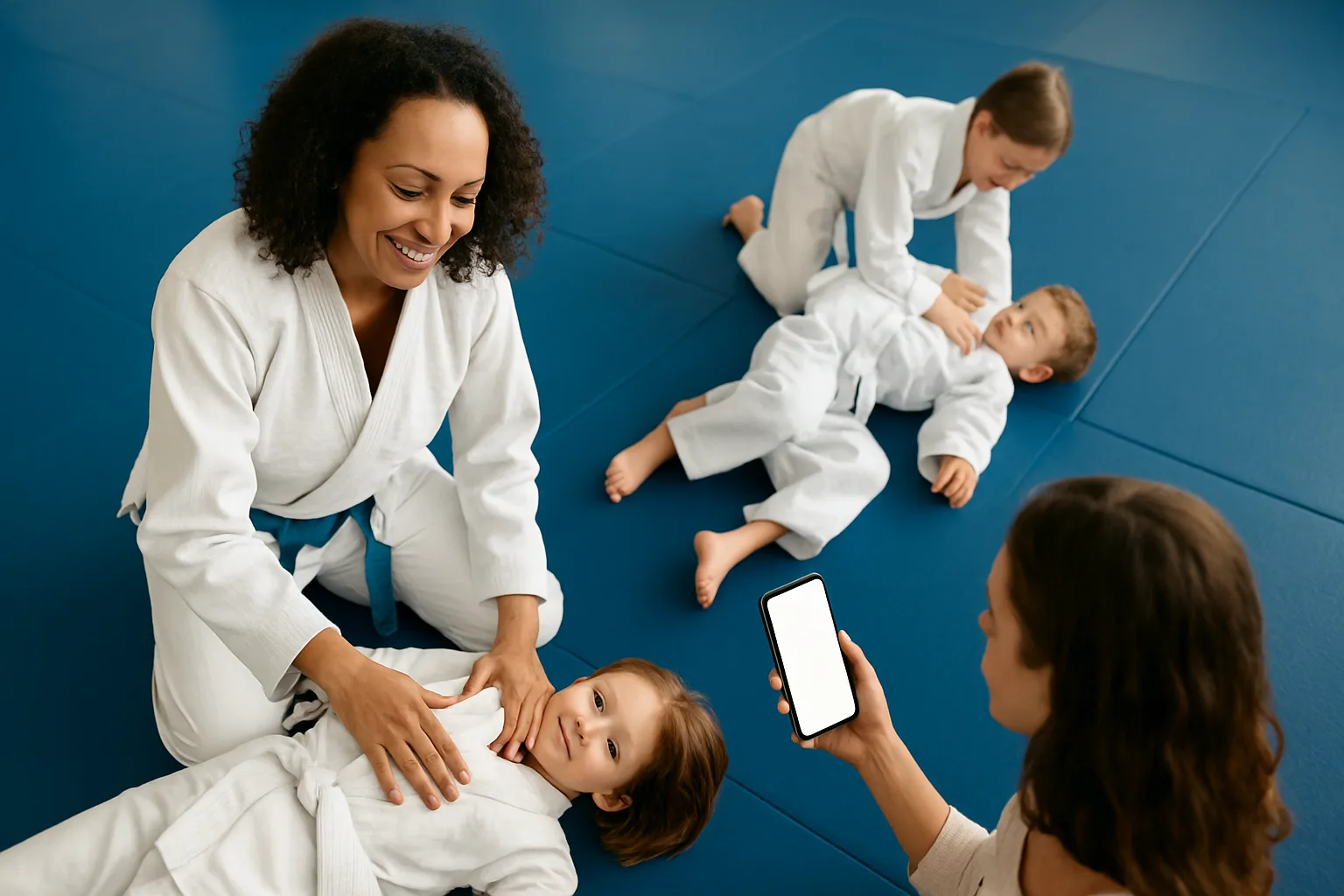
Brazilian Jiu-Jitsu is a grappling-based martial art that teaches positioning, control, and ways to manage physical encounters. In a children’s class, techniques should be presented with clear rules and close supervision. At Renzo Gracie Doral, programs are organized by age, level, and technical development, helping students learn alongside peers with suitable experience and ability.
The program is not simply unstructured play, nor is it a promise that a child will never face conflict. Instead, supervised training gives students repeated opportunities to listen, practice, follow safety instructions, and work toward gradual improvement. Parents can evaluate it as a skill-building activity, not a guaranteed fix for behavior, school challenges, or bullying.
A helpful after-school routine also depends on practical fit. Consider how class timing works with homework, meals, transportation, and rest. Children are more likely to engage when the activity is manageable for the family and does not leave them feeling rushed or overtired. Ask the academy about attendance expectations and discuss the schedule with your child before beginning.
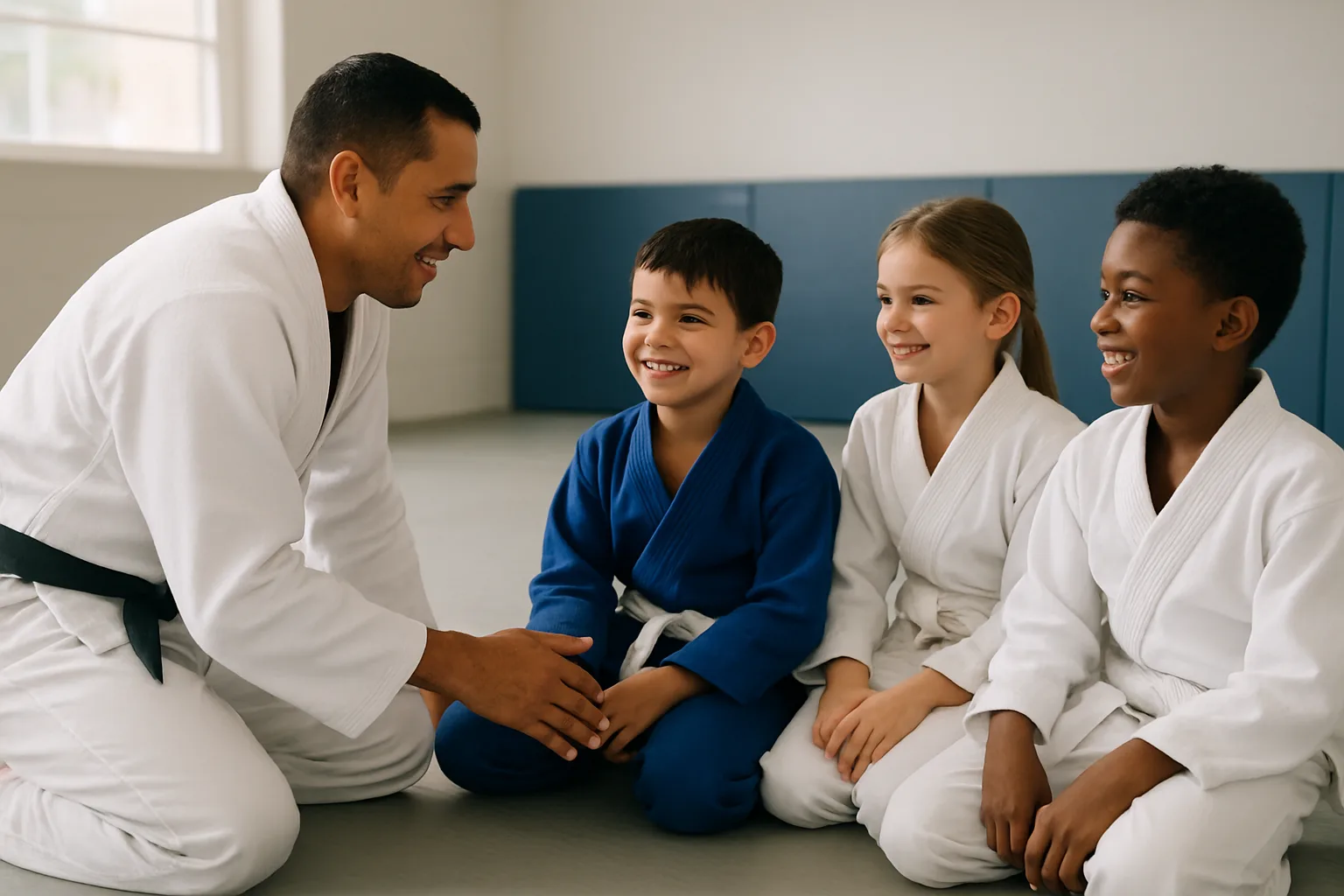
How Kids Can Benefit From Brazilian Jiu-Jitsu
Brazilian Jiu-Jitsu can support physical learning and personal development when instructors teach with age-appropriate goals and consistent supervision. Every child responds differently, so outcomes vary. Still, regular practice can create opportunities to build skills that matter both on the mats and in everyday routines.
Movement-based training gives children the chance to practice coordination, balance, body awareness, and general fitness. Learning a sequence of techniques also asks them to pay attention, remember steps, and adjust movement after feedback. Repeating a drill can help a child understand that improvement often comes through practice rather than instant success. These habits may support focus, although martial arts cannot guarantee changes in classroom performance or behavior.
Renzo Gracie Doral’s children’s program emphasizes confidence, posture, respect, and bullying prevention. A responsible prevention approach includes recognizing unsafe situations, communicating assertively, seeking help from trusted adults, and understanding that physical techniques are not a substitute for reporting or adult intervention. Families should ask how instructors teach children to use skills responsibly, set boundaries, and disengage when possible.
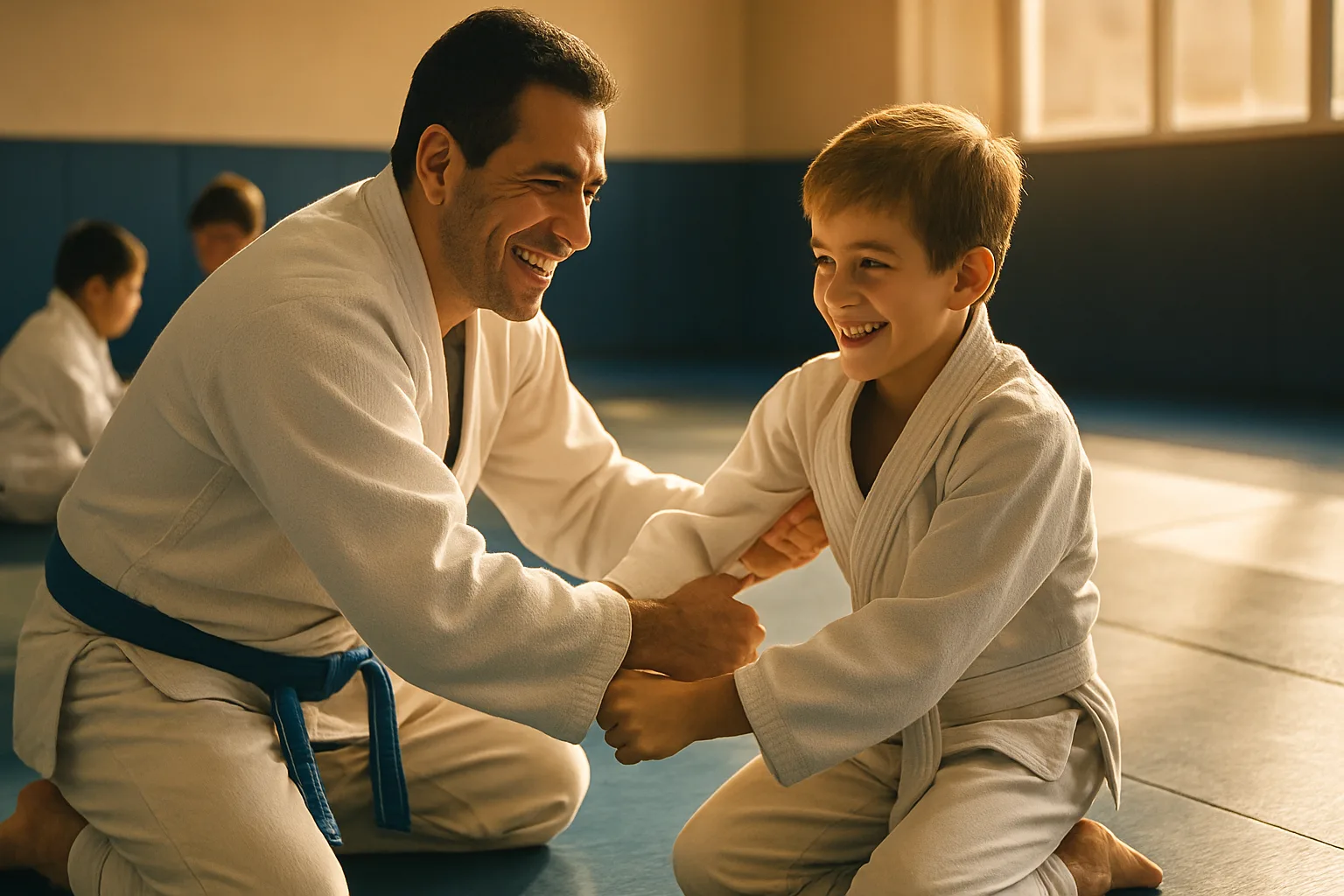
Training can also introduce emotional regulation in a structured setting. Students practice patience while learning unfamiliar movements, accept correction, and work through challenges at an appropriate pace. Partner practice gives them a chance to follow instructions and respect another person’s space. Over time, consistent attendance may help children become more comfortable with effort and constructive feedback, while instructors can monitor technical progress.
Parents can reinforce these lessons by praising thoughtful effort, safe choices, and respectful communication rather than focusing only on winning or rapid advancement. If a child has a specific concern—such as anxiety about group activities or a previous negative experience—share it with instructors before class. That conversation can help the adults support a more comfortable introduction to training.
- Physical practice can develop coordination, balance, body awareness, and fitness.
- Step-by-step techniques encourage listening, attention, and persistence.
- Respectful partner work reinforces boundaries and safe participation.
- Confidence and situational awareness are skills to practice, not guaranteed outcomes.
- Bullying concerns still require communication with caregivers, school staff, and other trusted adults.
What to Look for in Class Structure and Safety
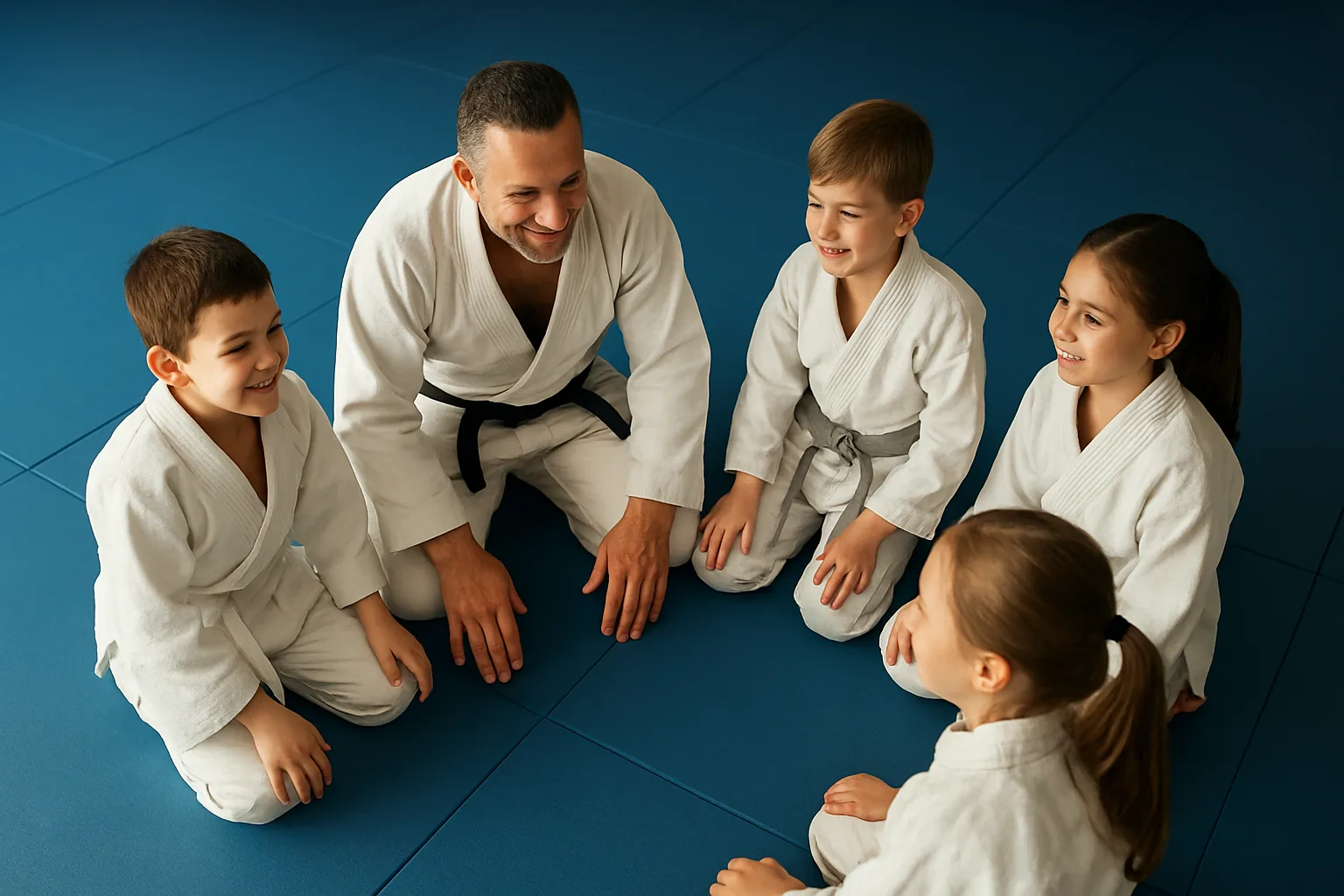
A well-organized children’s class makes expectations clear and adapts instruction to students’ ages and experience. Children learn at different rates, so grouping by age, level, and technical development can help instructors select suitable progressions and provide meaningful guidance. It also gives parents a concrete point to ask about when comparing programs.
Before enrolling, ask how a typical class is organized and how instructors supervise partner practice. Find out what rules govern contact, how children are matched for drills, and how a student can pause or ask for help. Families should also confirm age ranges, class schedules, clothing requirements, attendance expectations, and enrollment terms directly with the academy; these details can change and are not specified here.
Renzo Gracie Doral describes its environment as structured, organized, and safe, with instructors committed to technical guidance and individual development. Parents can assess whether that approach feels suitable by observing a class or using the academy’s free trial class, then speaking with staff about the child’s needs. A visit lets families see how instructions are delivered and how students interact, rather than relying only on a description.
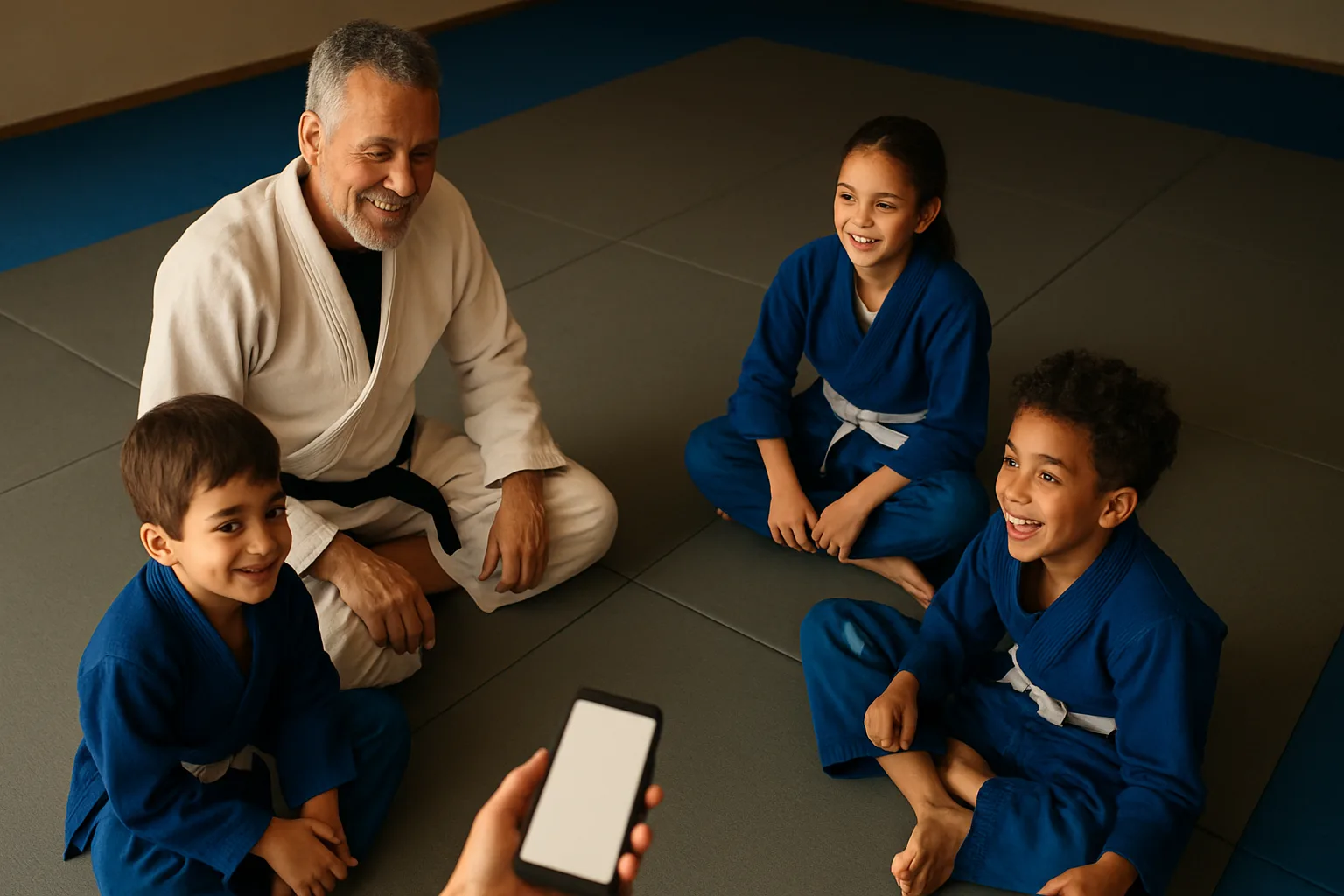
A supportive program should welcome questions from children and caregivers. Children need to understand that training techniques belong in supervised practice and should not be used to intimidate classmates or settle disputes. The academy’s focus on discipline, situational awareness, and emotional intelligence can form part of that conversation, alongside a family’s expectations for safety and respectful behavior.
Look for calm, clear communication from instructors, particularly when students are learning a new drill or need a correction. Ask how staff handle a child who feels overwhelmed, has difficulty following an instruction, or needs additional explanation. These questions help families understand the teaching approach without assuming that every child will respond in the same way.
How to Choose and Prepare for a Kids’ BJJ Class
Choosing a program starts with matching the class format to a child’s age, interests, and comfort with group activities. Parents should prioritize instruction and supervision over promises of fast results. A brief conversation with the academy can clarify whether an available class is a reasonable fit and what the first visit will involve.
Use a trial visit to understand the environment. Children may feel uncertain before trying a new activity, so explain that the goal is to explore, listen, and learn—not to perform perfectly. Tell instructors about relevant considerations, such as previous experience, comfort with partner drills, or a need for additional guidance. Encourage your child to ask questions and share how the class felt afterward.
It can also help to set a simple goal for the first class, such as learning the basic routine or trying one new movement. Avoid comparing a beginner with experienced students. Familiarity with the class structure and regular attendance can be more meaningful early measures than technical speed.
A practical parent checklist includes:
- Confirm the age group, experience level, schedule, and class expectations.
- Ask how instructors supervise drills and teach safe partner behavior.
- Discuss the child’s goals, confidence, attention needs, and prior experience.
- Observe how instructors give feedback and how students respond to directions.
- Use the free trial class to let the child experience the setting before making a commitment.
- Clarify clothing, attendance, fees, and enrollment policies directly with Renzo Gracie Doral.
- After the visit, ask your child what felt comfortable, challenging, or confusing.
Why Families Consider Renzo Gracie Doral
Renzo Gracie Doral is a Brazilian Jiu-Jitsu academy in Doral, Florida, with programs for children, teens, and adults. Its stated differentiators include a methodology based on the internationally recognized Renzo Gracie lineage, classes organized by age and level, and instructor attention to technical progress.
For families comparing kids’ Jiu-Jitsu classes, this combination of structure and individual development may be relevant. The children’s program focuses on confidence, posture, respect, and bullying prevention. The academy also offers Brazilian Jiu-Jitsu for teens and adults, self-defense training, and a women-only self-defense program. These options allow members of a household to explore related training paths, while each program serves a distinct audience and may have its own class format.
The academy offers a free trial class. A trial is a useful first step, not proof that every child will enjoy martial arts or that training will resolve a particular challenge. Parents can use the visit to speak with instructors, see the learning environment, and decide whether the approach aligns with their family’s priorities.
For Doral families searching for after-school Brazilian Jiu-Jitsu kids’ classes, the strongest choice is one that feels organized, supervised, and suitable for the child. Ask clear questions, observe the class, and consider whether the instructor’s communication supports understanding as well as technical ability. A family’s decision should take into account the child’s interest, the schedule, and the program’s approach to safe practice.
Making the Program a Good Fit Over Time
A child is more likely to benefit from training when the activity fits family routines and the student feels supported. Start with realistic expectations: new students need time to learn basic movements, class rules, and partner etiquette. Progress is better considered through steady participation and growing familiarity with skills than through quick comparisons with other students.
Parents can reinforce lessons at home by praising effort, listening, and respectful conduct rather than focusing only on winning or belt advancement. If a child reports discomfort or a troubling interaction, take the concern seriously and contact the instructors. Open communication helps caregivers and staff respond consistently and gives the child a clear path to ask for support.
It is also reasonable to revisit the fit after a few classes. Ask whether your child feels welcome, understands the instructions, and is interested in continuing. If the schedule or class experience is not working, talk with academy staff about available options rather than assuming the child must push through discomfort. Training should present an appropriate challenge while maintaining clear expectations and supervision.
Ultimately, the right program balances challenge with safety and encouragement. Renzo Gracie Doral’s structured approach and free trial give Doral families a way to explore whether children’s Brazilian Jiu-Jitsu fits their goals. Confirm current class details with the academy, attend the trial, and invite your child to share an honest reaction to the experience.
Frequently Asked Questions
What does a kids’ after-school Brazilian Jiu-Jitsu class teach?
Children learn age-appropriate Brazilian Jiu-Jitsu techniques, class routines, partner etiquette, and safe participation. Renzo Gracie Doral also emphasizes discipline, confidence, posture, respect, and situational awareness.
Is Brazilian Jiu-Jitsu suitable for a beginner child?
Renzo Gracie Doral organizes programs by age, level, and technical development, and offers structured instruction. Ask the academy which current class is appropriate for your child’s age and experience.
Does kids’ Jiu-Jitsu prevent bullying?
Training can address confidence, awareness, boundaries, and responsible responses, but no martial arts program can guarantee bullying will stop. Children should tell caregivers, school staff, or another trusted adult about bullying, and families should ask how instructors teach prevention and safety.
How can I tell if a children’s BJJ program is well supervised?
Ask how instructors organize partner drills, enforce safety rules, and respond when a child needs help. Observing a class or attending a trial can help you assess instruction, communication, and student interactions.
Does Renzo Gracie Doral offer a trial class for kids?
The academy offers a free trial class. Contact Renzo Gracie Doral to confirm current availability, scheduling, and any requirements before visiting.
What should my child wear or bring to the first class?
Clothing and equipment requirements are not specified here and can vary by class. Confirm what to wear and bring with Renzo Gracie Doral before the trial.
Are children’s classes separated by age and experience?
Renzo Gracie Doral says its classes are organized by age, level, and technical development. Ask the academy about current groups and the placement process for your child.
Can parents expect BJJ to improve focus or behavior?
Training gives children regular practice following directions, listening, and working through challenges, which may support those skills. Individual results vary, and BJJ should complement—not replace—family, school, or professional support when needed.
Conclusion
A children’s Brazilian Jiu-Jitsu class can give Doral families a structured activity centered on movement, technical learning, and responsible practice. Renzo Gracie Doral’s age- and level-organized programs, focus on individual development, and free trial class provide a practical way to explore the fit. Ask about supervision and class expectations, visit with your child, and choose a program that supports steady learning and safe participation.