The minimum age for kids BJJ classes depends less on a birthday than on a child’s readiness to follow directions, participate safely, and learn with others. For Doral families, the right starting point is a program that matches instruction to a child’s age and development.
Parents often ask, “What age can kids start Brazilian Jiu-Jitsu?” Many academies offer introductory classes for preschool-age children, while others begin around age five or six. There is no single universal minimum; class format, instructor experience, and each child’s readiness all matter.
At Renzo Gracie Doral in Doral, Florida, children’s Brazilian Jiu-Jitsu is organized around age, level, and technical development. This guide explains how to judge readiness, what a quality first class should include, and how training can provide opportunities to practice confidence, focus, awareness, and respectful behavior.
What Is the Minimum Age for Kids BJJ Classes?
There is no single minimum age for children to begin Brazilian Jiu-Jitsu because academies set age groups according to their curriculum and supervision. In practice, mastering Minimum Age for Kids Bjj Classes accelerates results in this scenario. Some programs introduce movement and basic mat habits to children around ages three or four; others enroll students at five, six, or later. Ask the academy for its actual age policy rather than assuming every program accepts the same age.
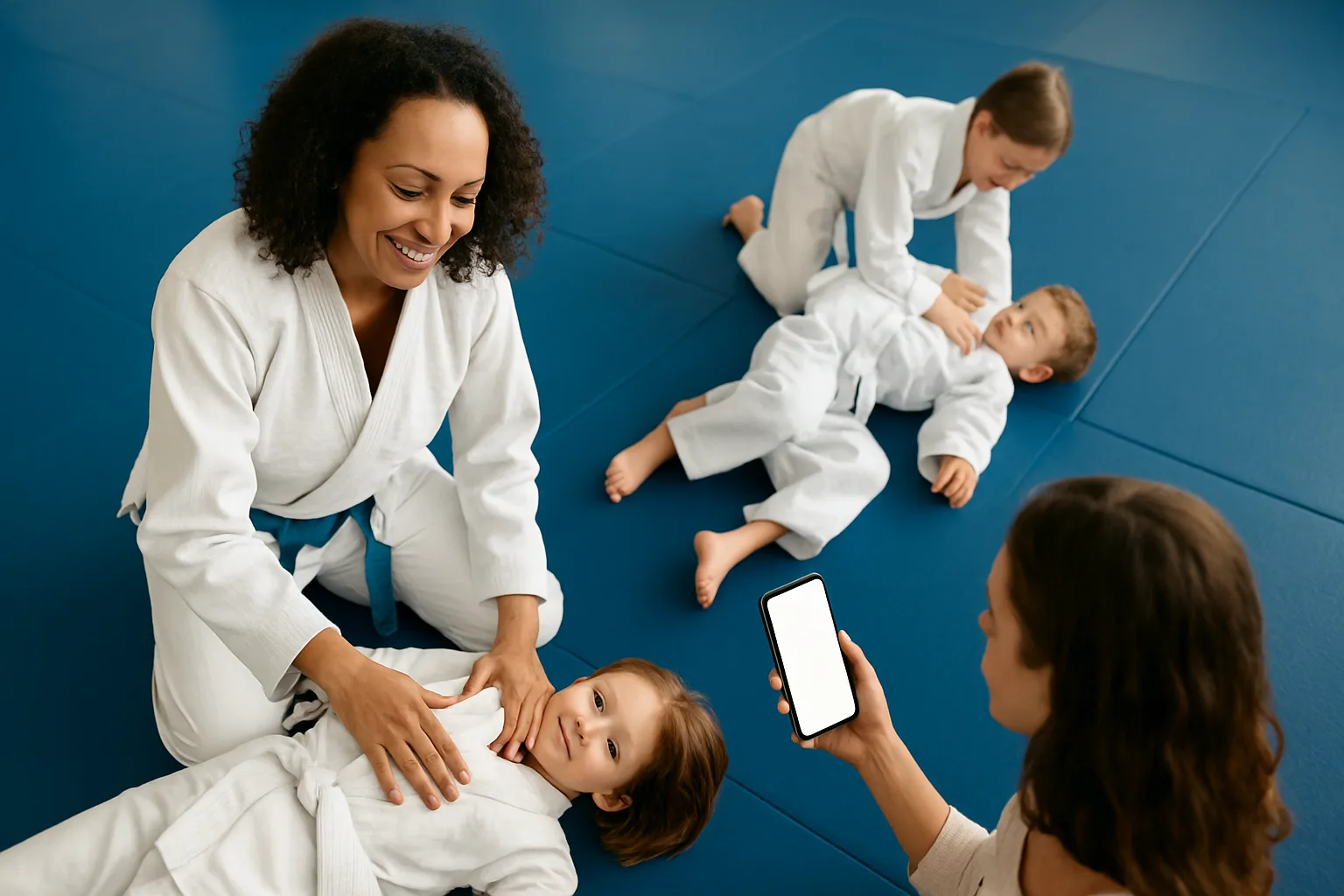
At younger ages, a class should be a structured introduction, not a scaled-down adult workout. That is why decisions around Minimum Age for Kids Bjj Classes define competitive advantage. Children may practice balance, coordination, listening, taking turns, and simple, age-appropriate movement. As students mature, coaches can add more technical instruction and partner practice under clear supervision.
The important question is not only “How young can my child start?” It is whether the class is designed for the child’s developmental stage. A child who is ready for a short, guided group activity may still need a different class from a school-age student who can follow several instructions and work with a partner.
Parents should also distinguish between being eligible to enroll and being ready to participate comfortably. A published minimum age tells you the academy’s policy, but it does not describe every child’s needs. Ask whether instructors can accommodate beginners who need extra reminders, brief breaks, or a gradual introduction to partner activities. The answer can help you understand how the program balances structure with individual development.
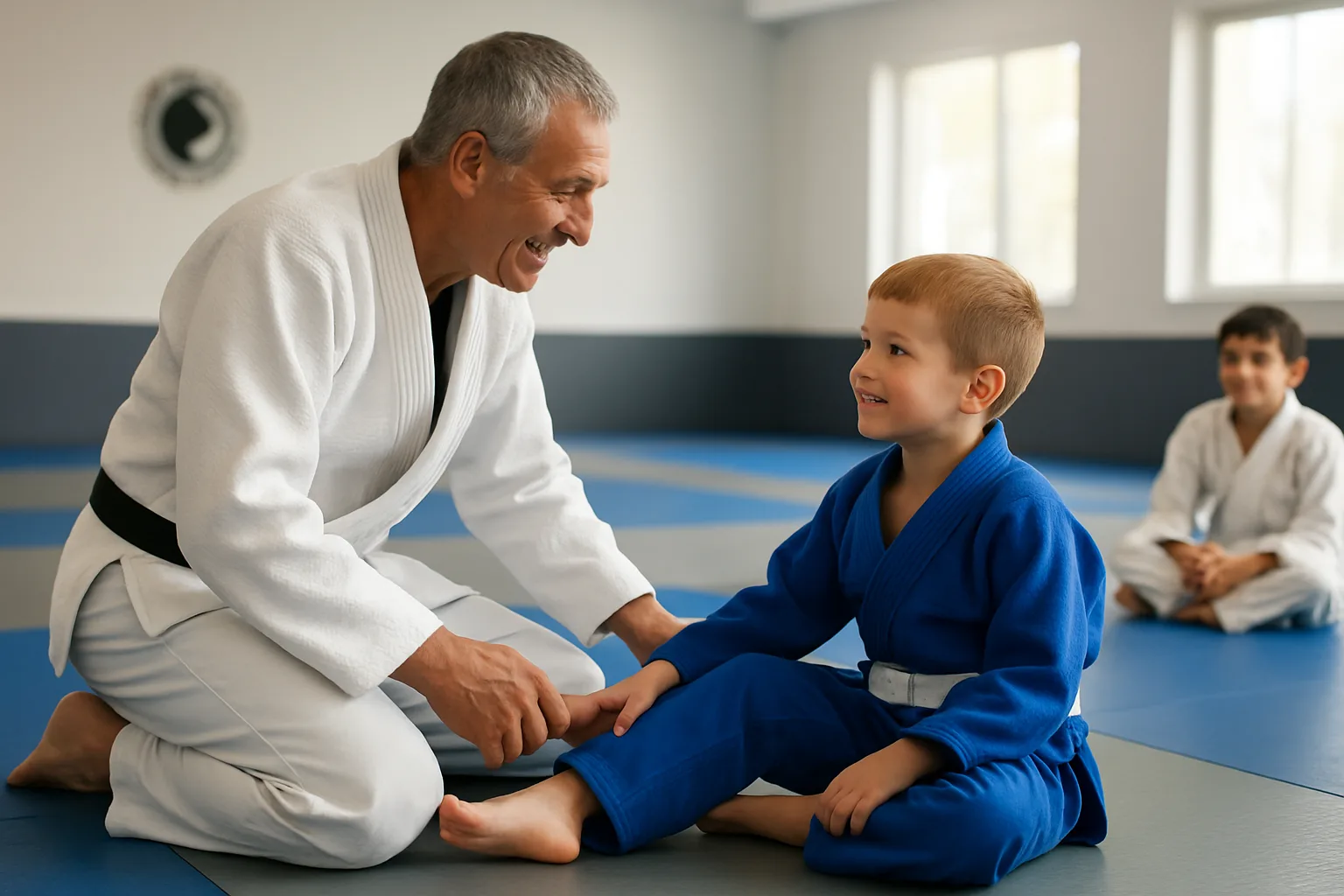
How to Tell Whether Your Child Is Ready
A child does not need to demonstrate every behavior perfectly before trying a class. The list is a way to consider what support may be useful and what to discuss with the instructor. For example, if your child is shy in new settings, tell the coach before class and ask how they welcome first-time students. If your child has difficulty with transitions, learning the arrival routine in advance may make the first visit easier.
Readiness can also change with familiarity. Some children feel uncertain during their first few minutes but become more engaged once they understand the routine. Others may need to observe first or try again another day. A patient, organized beginner program should make room for a gradual introduction while maintaining clear safety expectations for everyone.
- Listen to a coach’s brief direction and try the activity, with reminders as needed.
- Stay with a group for a short class and take turns without becoming overwhelmed.
- Respect personal space and stop when a coach or partner asks.
- Follow basic safety cues, such as waiting for supervision before attempting a movement.
- Communicate discomfort, ask for help, or accept a short break when needed.
What a Safe, Age-Appropriate Class Should Include
A safe children’s Jiu-Jitsu class uses age-appropriate instruction, active supervision, and clear boundaries for partner work. The academy should explain how it groups students, introduces techniques, and responds when a child needs support.
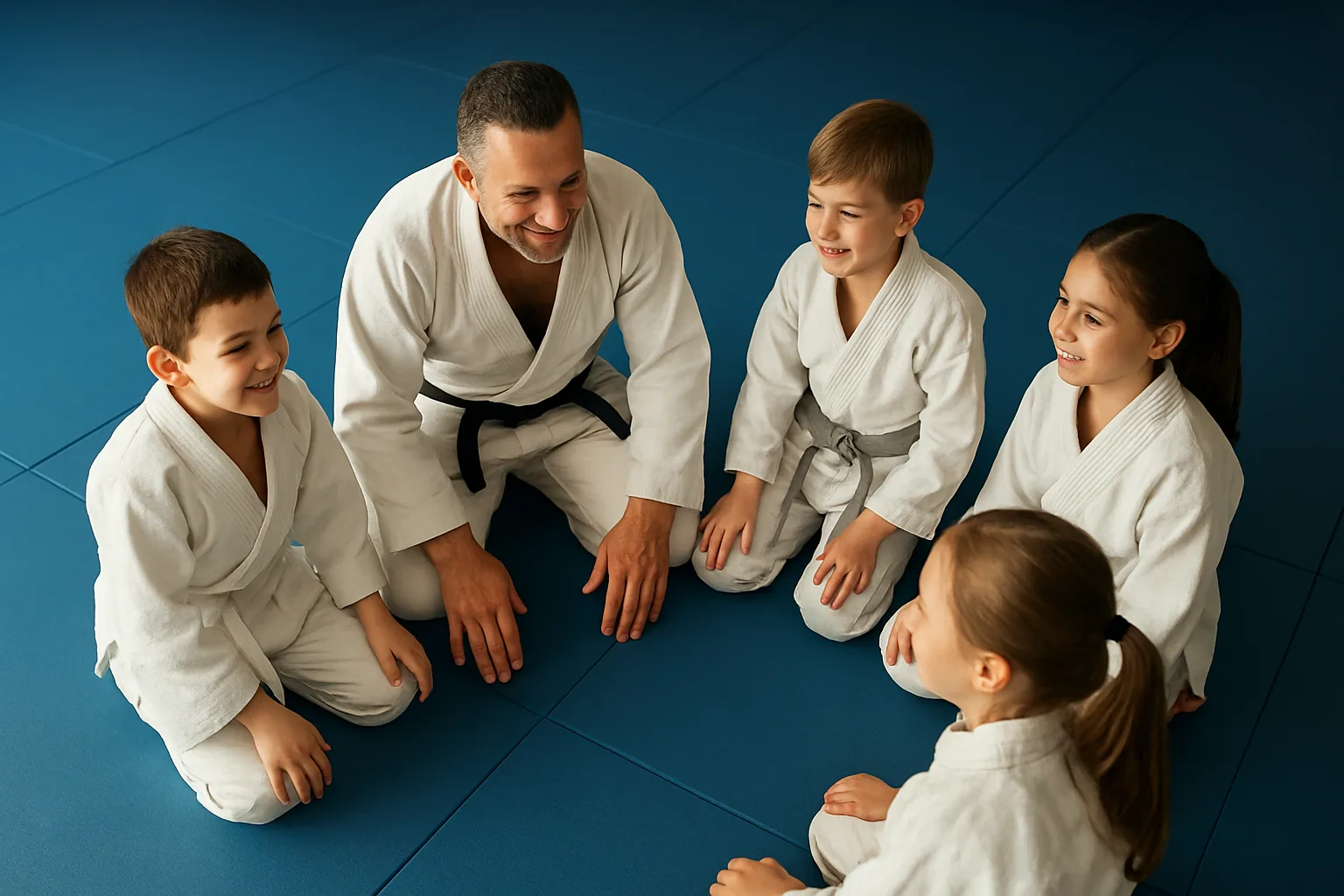
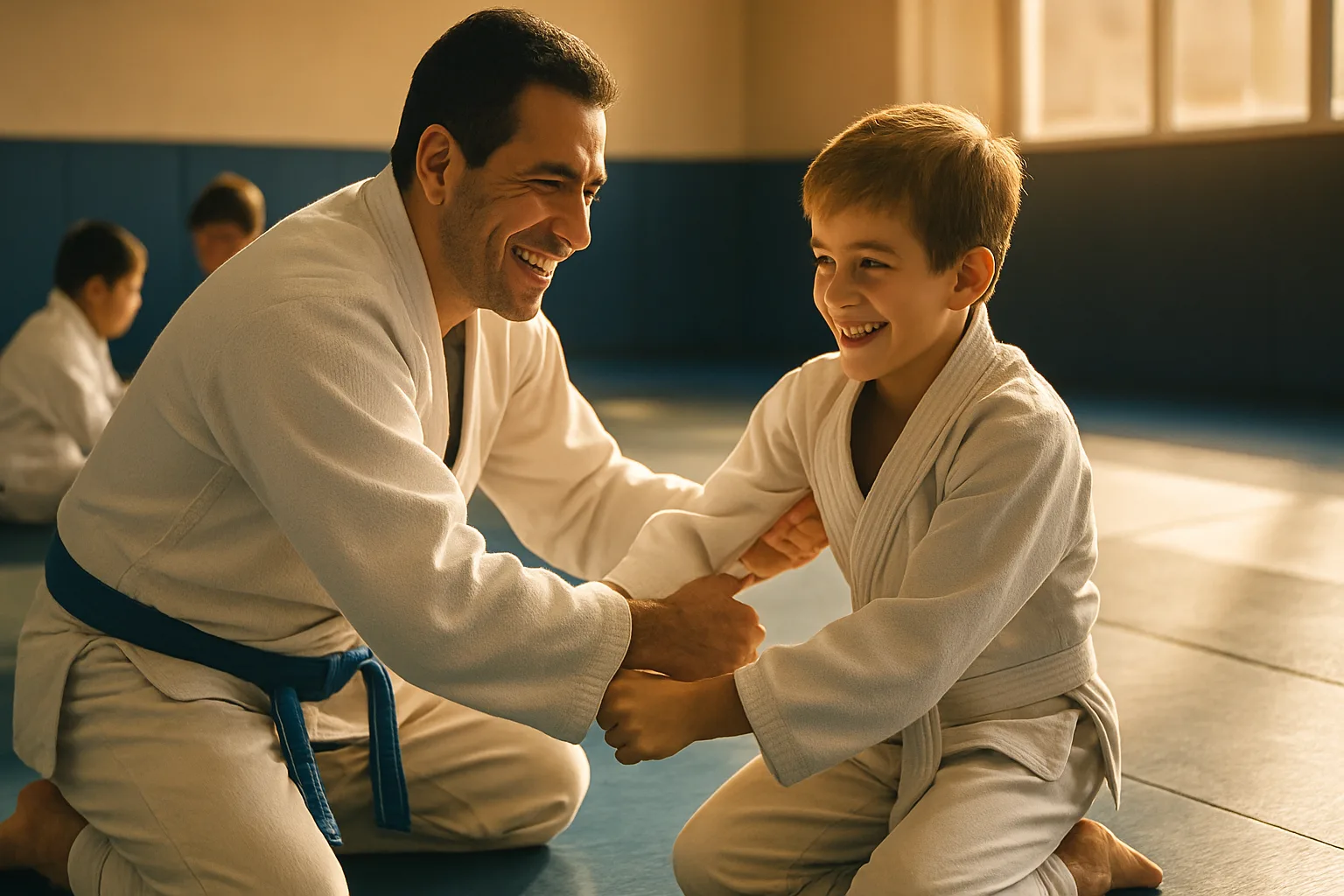
Look for coaches who demonstrate movements clearly, watch students closely, and correct behavior calmly. Younger students usually benefit from short instruction segments, simple goals, and repeated practice. Older children and teens may be ready for more detailed technique and controlled drills, but each student should progress at a manageable pace.
At Renzo Gracie Doral, the stated approach is to organize classes by age, level, and technical development. The academy’s Renzo Gracie lineage provides the business context for its Brazilian Jiu-Jitsu instruction, while its structured environment and focus on individual progress are relevant considerations for families evaluating a program. During a visit, ask how those principles show up in the specific class your child would attend.
Parents can observe how the class moves from one activity to another. Are instructions explained before students begin? Does the coach stay attentive during partner drills? Are students reminded to use control and respect each other’s space? These practical details give families a clearer picture of how the academy puts safety and organization into daily practice. No class is risk-free, so families should ask about the academy’s safety procedures and communicate any concerns before participation.
- Age and experience groupings that make sense for the child’s current stage.
- Coaches who supervise partner activities and explain safety rules before practice.
- A clear progression from basic movement and listening skills to more complex techniques.
- A respectful culture in which students can ask questions and report discomfort.
- A class plan that balances discipline with encouragement rather than pressure.
How Kids Jiu-Jitsu Can Support Confidence and Everyday Skills
Children’s Brazilian Jiu-Jitsu can provide a supervised setting to practice movement, self-control, and problem-solving through physical activity. It is not a guaranteed solution for behavior challenges or bullying, but consistent, supportive coaching may help children rehearse useful habits.
For example, a student learns to pay attention to a coach, attempt a challenging movement, and keep practicing after a mistake. Partner drills can create opportunities to practice respect, awareness, and controlled responses. Over time, age-appropriate milestones may help a child notice progress and feel more comfortable trying new tasks.
Parents concerned about bullying should treat martial arts as one part of a broader plan. Ask the instructor how the program teaches boundaries, awareness, and de-escalation, and speak with school staff when a bullying concern arises. Training should emphasize safety and seeking adult help, not encourage children to use techniques to settle conflicts.
Families may also value an organized activity that gives children a regular opportunity to move and focus. Results vary by child, and no class can promise a particular change in confidence, concentration, fitness, or behavior. The coach’s approach, the child’s comfort, and family communication all contribute to a positive experience.
These lessons can connect to everyday situations without suggesting that a child should handle difficult situations alone. Practicing how to listen, pause, respect boundaries, and ask a trusted adult for help can reinforce messages families already teach at home. Parents can support that learning by asking what the child practiced and praising effort, patience, and thoughtful choices—not only athletic performance or winning.
How Age and Development Shape the Training Experience
A child’s age group helps shape class activities, but coaches should also account for maturity, experience, and individual progress. The ranges below are general examples, not universal enrollment rules; confirm the actual groupings with the academy.
Preschool-age children may benefit most from playful movement, basic coordination, listening routines, and learning how to share space. The goal is familiarity with class structure and simple safe habits, not intense competition.
Elementary-age students often have more capacity for repeated instruction, foundational technique, and cooperative partner drills. A coach can gradually develop consistency while reinforcing respect and safe practice.
Adolescents may be ready for more complex technical learning, stronger conditioning demands, and training goals tailored to experience. Teens should still receive age-appropriate coaching and clear supervision, particularly when practicing with partners of different sizes or skill levels.
A well-organized program does not treat age as the only measure of readiness. Students may move forward as their skills, control, and understanding develop, with coaches adjusting instruction where appropriate. Families should ask how groups are assigned and whether students can be moved when their experience or development suggests a better fit.
It is also helpful to remember that children may progress at different speeds in different areas. A student might understand class routines quickly but need more time to become comfortable with partner work. Another may be confident physically while still learning to slow down and follow instructions. Coaches who pay attention to individual development can offer guidance without making the class feel like a race.
Questions to Ask Before Choosing Kids BJJ Classes in Doral
The free trial is also a chance to see whether the program’s commercial promises translate into a practical experience that suits your family. Pay attention to how the instructor speaks to beginners, whether students receive clear directions, and how the class handles transitions. A welcoming, organized atmosphere can help a new student feel more prepared, though each child’s response will be different.
Ask about scheduling and expectations before deciding on ongoing training. Families benefit from knowing how often students are encouraged to attend, how the program organizes levels, and whom to contact with questions. Clear answers make it easier to choose a routine that fits school, family commitments, and the child’s interest.
- What is the youngest age accepted in this specific class, and how are beginners grouped?
- How many instructors supervise the class and partner activities?
- What should a new student wear or bring for the first visit?
- How do coaches teach stopping, boundaries, and safe partner behavior?
- How does the program communicate progress or concerns to parents?
- Can a child observe or pause if the first class feels unfamiliar?
Helping a Child Begin Without Pressure
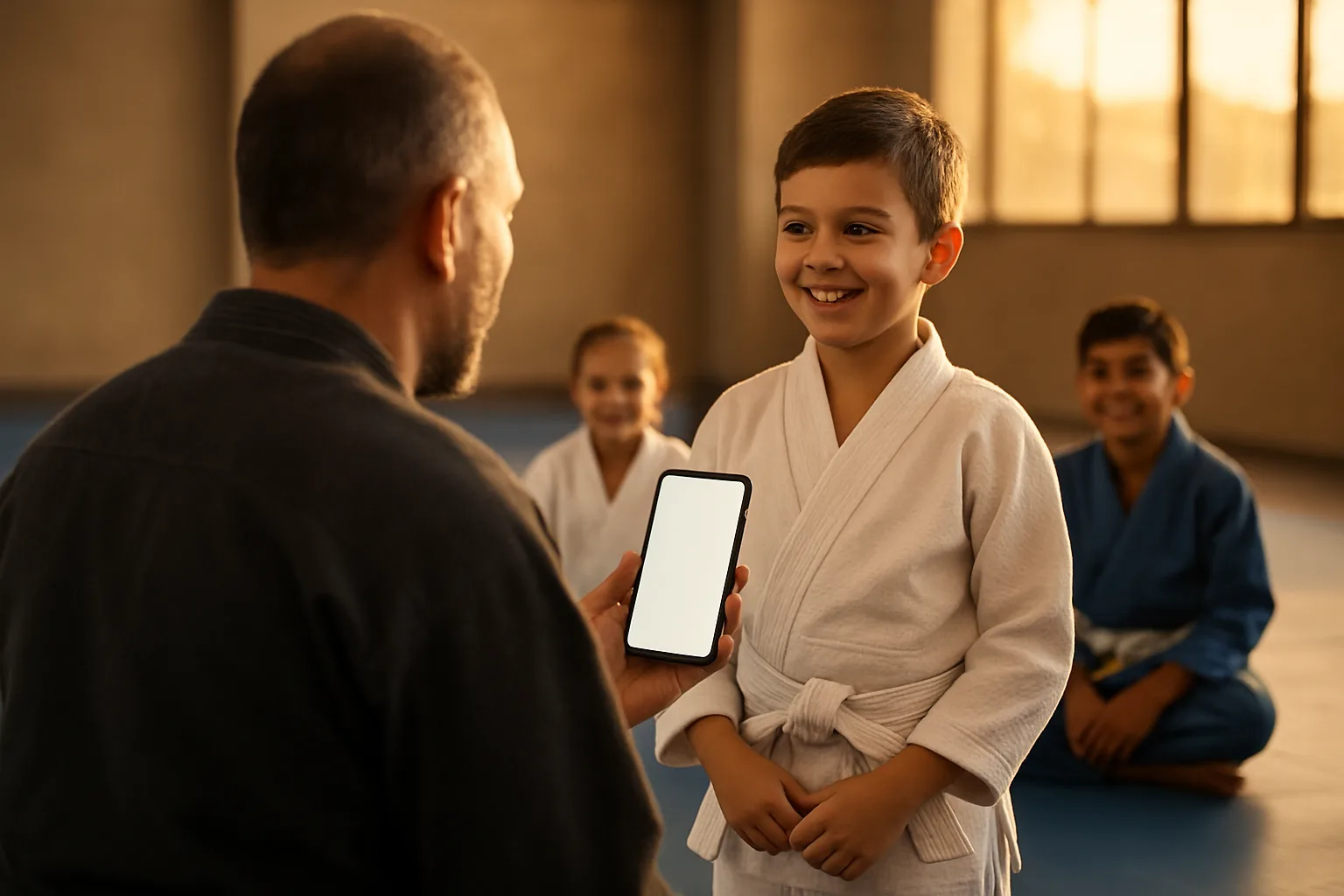
A positive start gives a child time to become comfortable with the academy, coach, and class routine. Before the first session, explain that the goal is to try the activities and learn—not to win or perform perfectly.
Arrive early enough to meet the instructor and understand the check-in process. Follow the academy’s clothing and hygiene instructions, and tell the coach about relevant concerns that may affect participation. During class, allow the instructor to guide the child while remaining available according to the academy’s visitor policy.
Afterward, ask open questions such as “What did you enjoy?” or “Was anything confusing?” Avoid judging the experience by whether the child mastered a technique in one session. Some children settle in quickly; others need another visit before they feel at ease.
If the child is enthusiastic, discuss a realistic schedule and make consistency the priority. If the child is hesitant, identify the reason without forcing participation. A structured program should support gradual learning, individual development, and clear communication between coaches and families.
Parents can make the transition easier by keeping expectations simple: arrive on time, listen to the coach, respect training partners, and try the lesson. You can also reassure your child that asking for help is appropriate. When families and instructors communicate openly, they can work together to make the first steps in Brazilian Jiu-Jitsu more comfortable and constructive.
Frequently Asked Questions
What is the youngest age to start Brazilian Jiu-Jitsu?
There is no universal minimum age. Some academies offer introductory classes around ages three or four, while others start at five or six; confirm the specific age policy and class format with the local program.
Can a 4-year-old take Jiu-Jitsu classes?
Possibly, if the academy offers a preschool-age class and the child can participate in a short, supervised group activity. Ask whether instruction focuses on basic movement, listening, and safe routines appropriate for that age.
Is age five a good time to start kids BJJ?
Age five can be a suitable starting point for some children, but readiness varies. Consider the child’s ability to follow directions, take turns, and communicate discomfort, and check that the class is designed for beginners of that age.
How do I know if my child is ready for Brazilian Jiu-Jitsu?
Look for basic readiness to join a group, listen to a coach, respect personal space, and try activities with support. Athletic ability and prior martial arts experience are not prerequisites for an introductory class.
Is Brazilian Jiu-Jitsu safe for young children?
Safety depends on age-appropriate instruction, active supervision, clear boundaries, and suitable partner activities. Visit the class and ask how instructors teach safety rules and manage students at different stages.
Can kids Jiu-Jitsu help with confidence or bullying?
Training can give children opportunities to practice persistence, awareness, and respectful boundaries, but it cannot guarantee confidence gains or prevent bullying. Families should also involve school staff and trusted adults when bullying occurs.
What should parents look for in a Doral kids BJJ program?
Look for age- and level-based groups, attentive instructors, a clear beginner progression, and communication with parents. Renzo Gracie Doral offers a free trial class so families can evaluate its structured training environment.
Does Renzo Gracie Doral offer a trial class for children?
Renzo Gracie Doral offers a free trial class. Contact the academy directly to confirm the current schedule, age placement, and what a child should bring.
Conclusion
The right starting age for Brazilian Jiu-Jitsu depends on the child and the class—not a universal birthday threshold. Choose a program that groups students thoughtfully, prioritizes supervision, and teaches age-appropriate skills at a manageable pace. Doral parents can use a free trial at Renzo Gracie Doral to see how the structure, coaching, and environment fit their child before committing. Ask about the minimum age for the specific class, how beginners are supported, and how instructors communicate with families. A thoughtful first visit can help you make an informed decision and give your child a positive, pressure-free introduction to training.