A child who hesitates to speak up or feels unsure in a new group may benefit from clear goals and steady practice. The Value of Children’s Brazilian Jiu Jitsu Lessons becomes easier to assess when families consider not only the class fee, but also the habits and skills children can build over time.
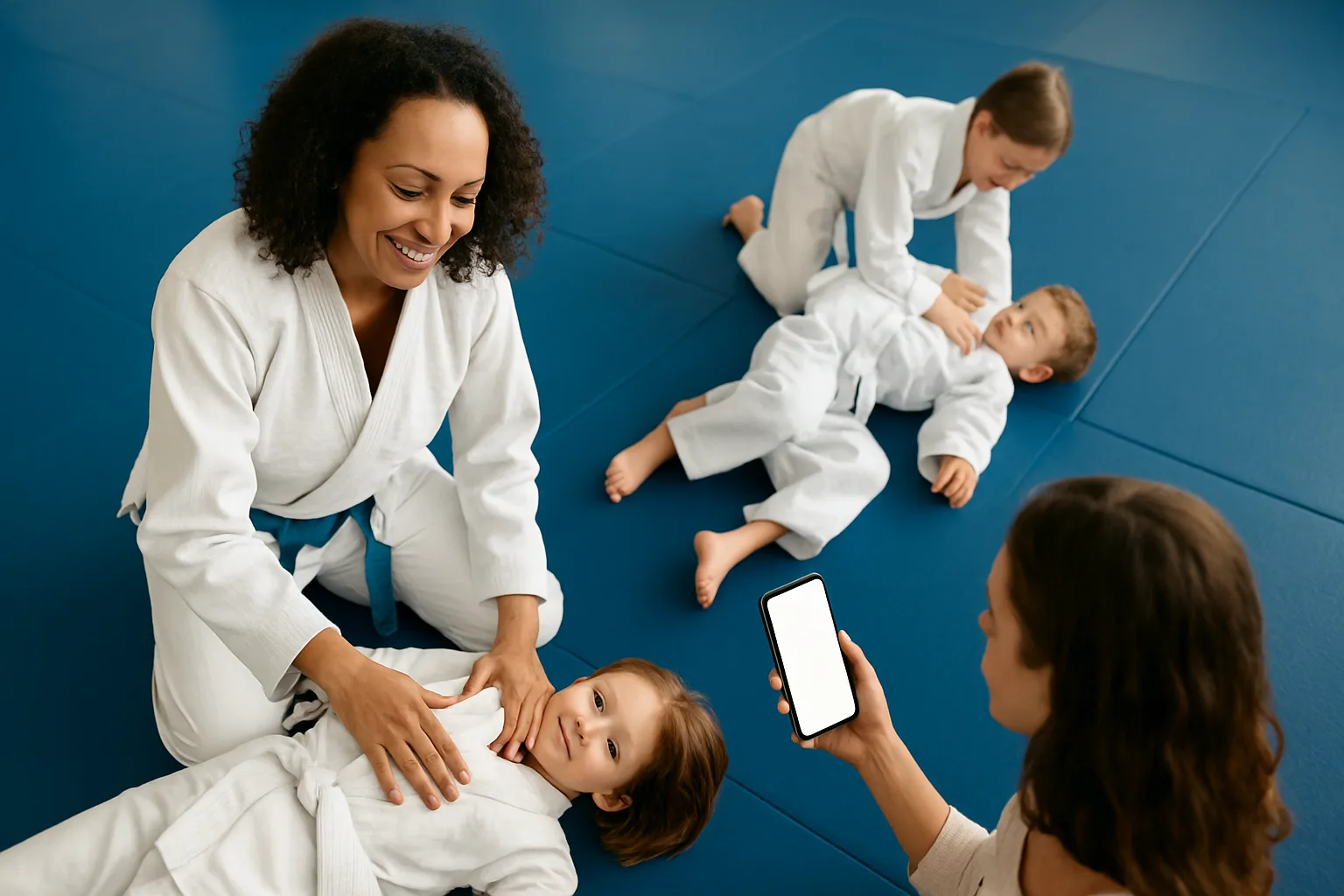
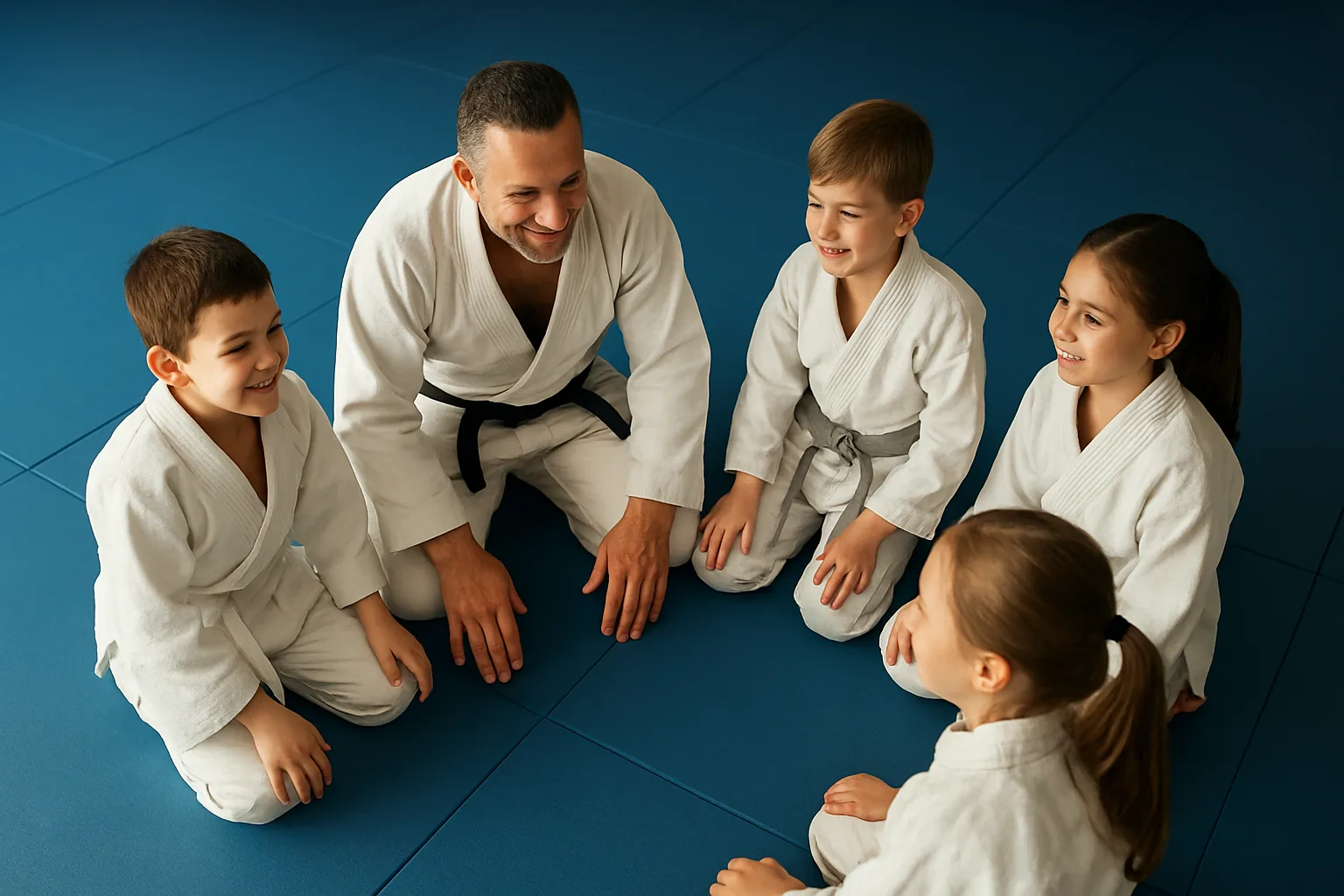
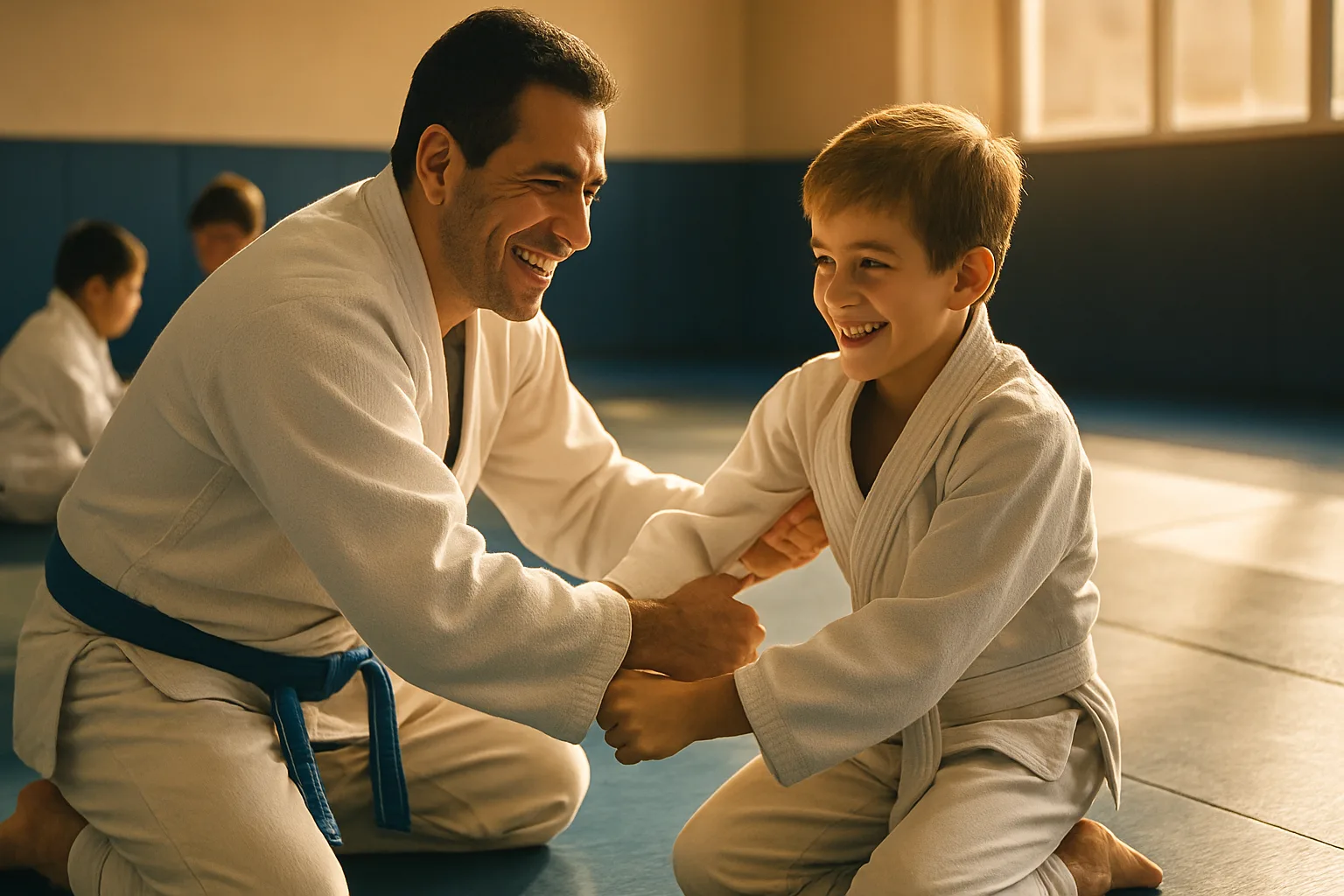
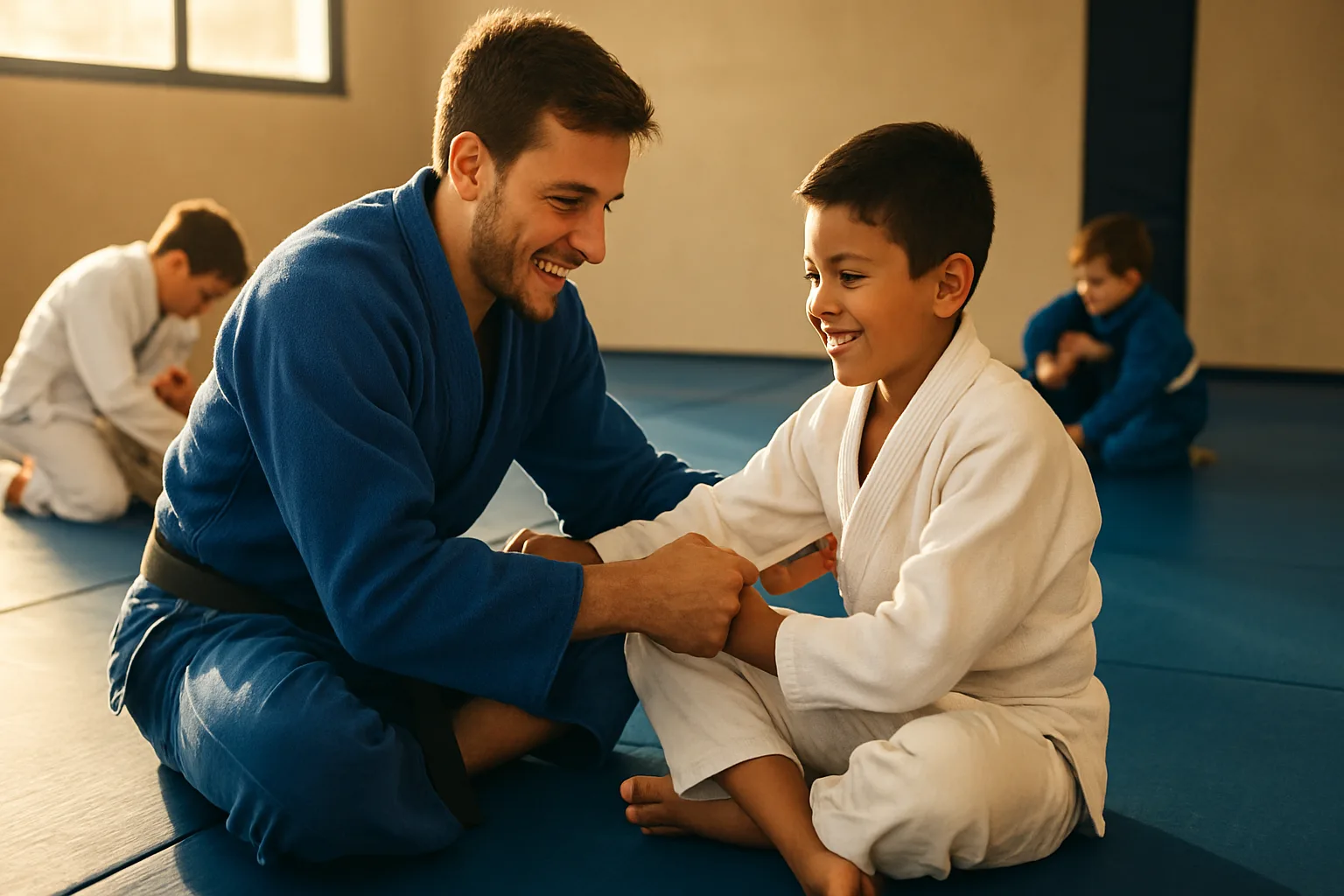
At Renzo Gracie Doral in Doral, Florida, children learn Brazilian Jiu-Jitsu in a supervised setting, with instruction organized by age, experience, and technical development. The program follows the internationally recognized Renzo Gracie lineage and emphasizes confidence, posture, respect, situational awareness, and bullying prevention.
Because martial arts requires both time and money—and each child responds differently—parents should compare the curriculum, instructors, safety practices, schedule, and fit. A free trial class can help families decide whether the environment feels right for their child.
What the Value of Children’s Brazilian Jiu Jitsu Lessons Includes
The value of children’s Brazilian Jiu Jitsu lessons is the combination of physical practice, coached skill development, and age-appropriate habits a child can build through consistent participation. It is not a guaranteed outcome or a substitute for parenting, school support, or professional care. Instead, it is a structured activity where children can practice effort, listening, and respectful interaction while learning a martial art.
Brazilian Jiu-Jitsu (BJJ) is a grappling martial art that teaches controlled movement, positioning, and technique. In a kids’ class, instructors adapt drills and expectations to the students’ age and experience. As a result, children can learn progressively rather than being expected to master complex skills immediately.
The value is strongest when the program matches a family’s goals. A child who needs a constructive physical outlet may value regular movement and coordination practice. Another child may appreciate clear routines, attainable technical challenges, or the chance to become more comfortable participating in a group. Progress is individual, so parents should look for observable effort and engagement—not promises of a particular personality change.
It can also help to think in terms of practical milestones instead of dramatic transformations. Over time, a parent might notice that a child follows a warmup sequence more independently, remembers a coach’s instruction, or is more willing to try a new drill. These small examples make progress easier to discuss with the child and instructor. They are not guaranteed results, but they provide a realistic way to evaluate whether the classes are meeting the family’s goals.
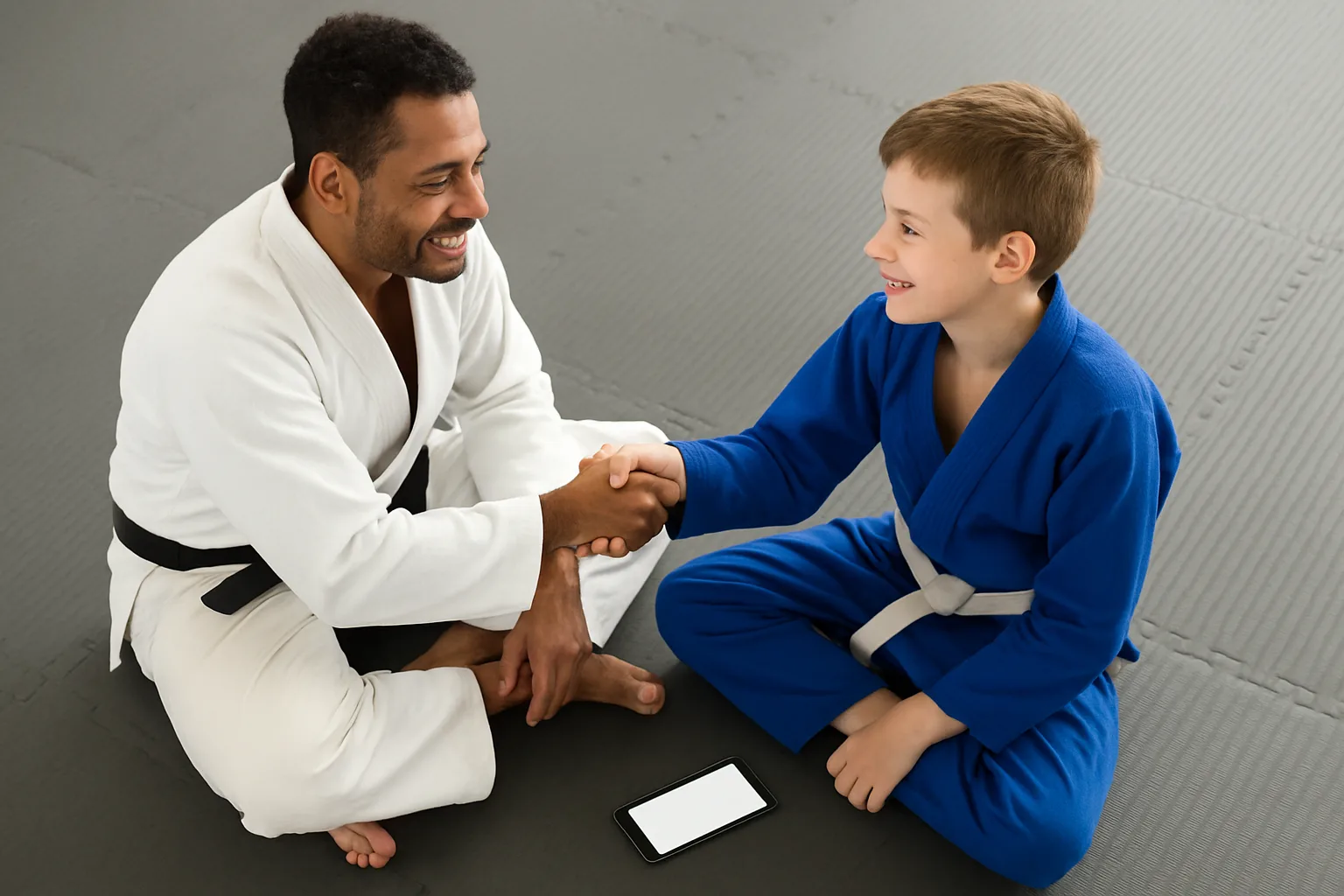
Skills Children Can Practice on and off the Mat
A well-organized kids’ Jiu-Jitsu class gives children repeated opportunities to practice physical skills and social habits. However, the results depend on attendance, instruction, a child’s readiness, and the way adults reinforce lessons outside class. Families should treat benefits as possibilities supported by practice, not guarantees.
The mat offers a structured setting to try, receive feedback, and try again. For instance, a student may learn to slow down and listen when a technique has several steps, or to reset calmly after a drill does not work on the first attempt. Those moments can support persistence without implying that a child will automatically apply every class lesson at school or home.
- Physical development: Warmups, movement drills, and technique practice encourage coordination, mobility, balance, and general fitness. The workload should be appropriate for the child’s age and ability.
- Focus and follow-through: Children listen to instructions, remember sequences, and repeat techniques. Learning a skill in stages can help them practice patience and attention.
- Confidence and posture: Completing a new drill or becoming more comfortable participating may help a child feel more capable. Confidence grows through experience and encouragement, not belt rank alone.
- Respect and discipline: Taking turns, following class rules, and treating training partners carefully reinforce expectations for a shared learning environment.
- Situational awareness: Children can practice noticing distance, balance, and what is happening around them during supervised activities. This complements, but does not replace, conversations about boundaries and asking trusted adults for help.
- Bullying-prevention skills: Training can support confidence, composure, and physical awareness. Nevertheless, children should be taught to seek adult help and avoid escalating conflict; martial arts cannot guarantee protection from bullying.
How to Decide if Kids’ Jiu-Jitsu Is Worth the Investment
Kids’ Jiu-Jitsu is worth considering when a child’s goals, the program’s structure, and the family’s budget and schedule align. The right question is not simply whether martial arts are beneficial in general; it is whether this particular program offers a suitable experience for this child.
Start by defining what your family hopes to gain. Then ask the academy how classes are organized, what beginners can expect, and how instructors support individual development. Renzo Gracie Doral offers programs organized by age and level, supervised training, and a free trial class, giving parents a chance to assess the setting before committing.
Consider making a short checklist before visiting: what matters most to your family, what costs need clarification, and what would make your child feel comfortable enough to participate. A clear checklist can keep the decision focused on fit rather than on broad marketing promises or comparisons with other children.
- Ask about grouping: Are students separated by age, experience, and technical development?
- Observe instruction: Do coaches explain expectations clearly and supervise partner practice?
- Check the atmosphere: Do children appear engaged, treated respectfully, and comfortable asking questions?
- Review practical costs: Confirm tuition, required gear, class frequency, and any additional fees directly with the academy.
- Assess schedule fit: A sustainable routine is more valuable than an ambitious schedule that regularly conflicts with school, rest, or family obligations.
- Include the child: Ask what felt enjoyable, challenging, or uncomfortable after a trial class, and take the answer seriously.
Safety, Readiness, and a Child’s Fit
A suitable children’s martial arts program pairs clear supervision with developmentally appropriate instruction. Parents should understand the class rules and how instructors manage partner drills, contact, and student behavior before enrollment. They can also share relevant concerns or limitations with the academy before a child participates.
Readiness does not require a child to be naturally athletic or outgoing. Beginners can learn basic movements step by step, while instructors committed to individual progress can help students work at an appropriate pace. However, a child should be able to follow basic directions and participate in a group setting with the support available in that class. If a child is anxious, a low-pressure trial and a conversation with the instructor can clarify whether the environment feels right.
At Renzo Gracie Doral, families can evaluate an organized training environment built around the Renzo Gracie lineage and age- and level-based classes. Ask specific questions about supervision and beginner expectations rather than assuming every academy uses the same approach. A strong fit includes both technical instruction and respectful treatment.
Parents can also help by preparing children for what to expect: listening when the instructor speaks, following class rules, and communicating if they feel uncomfortable. Afterward, use open-ended questions such as “What did you enjoy?” or “Was anything confusing?” This gives the child room to describe the experience without pressure to say that they loved it. A good initial fit is about feeling safe enough to learn, not performing perfectly on day one.
Making the Commitment Sustainable
Consistency, not a short burst of attendance, is what gives children time to become familiar with routines and develop skills. Therefore, choose a realistic class schedule and check in periodically about motivation, fatigue, and progress. A child may need time to adjust, but ongoing distress or a poor fit deserves attention.
Parents can support learning without turning practice into pressure. Praise showing up, listening, trying again, and treating training partners well. Let instructors guide technical development instead of demanding fast belt promotions or comparing one child’s progress with another’s. Such comparisons can overlook differences in age, experience, comfort, and learning pace.
Consider the full household investment. Tuition matters, but so do transportation, gear, and the time needed to get to class. If those commitments remain manageable and the child enjoys the process, training may offer meaningful value as a regular activity. If the schedule or cost creates persistent strain, discuss available options with the academy before making assumptions.
A simple monthly check-in can help families decide whether to continue. Ask whether the child still wants to attend, whether the routine works, and whether the original goals remain relevant. Note concrete signs of engagement—such as enthusiasm about a new technique or growing comfort in class—while recognizing that motivation can fluctuate. The point is not to grade a child’s progress, but to make a thoughtful decision about the family’s time and resources.
Choosing Kids’ Jiu-Jitsu Classes in Doral
The best kids’ Jiu-Jitsu classes in Doral are the ones that combine suitable instruction with a setting your family can attend consistently. Renzo Gracie Doral serves families in Doral, Florida, with Brazilian Jiu-Jitsu programs for children and adolescents, classes organized by age and level, and instructors focused on technical progress and individual development.
The academy’s wider offerings include adult Brazilian Jiu-Jitsu, beginner-oriented classes, women-only self-defense classes, self-defense training, and competition development. Those programs may matter to families seeking a martial arts community for more than one household member, although each person should choose a class suited to their own goals and experience. For parents who are also considering training, beginner-friendly adult instruction can make it possible to explore the sport separately while a child attends an age-appropriate program.
For a child, begin with a visit or the free trial class. Notice whether the coach explains the structure, whether students are supervised, and whether your child leaves feeling curious about returning. Ask how the class supports beginners and how families can follow the child’s progress. That firsthand experience can make the decision more informed than relying on broad claims about martial arts.
The commercial value is ultimately personal: a class should provide an organized opportunity to learn, fit the household routine, and feel appropriate for the child. Renzo Gracie Doral’s lineage-based methodology, age- and level-organized programming, and emphasis on supervised development give Doral families concrete points to explore during a trial. Compare those features with your priorities, clarify costs and expectations, and make the decision together as a family.
Frequently Asked Questions
Is kids’ Brazilian Jiu-Jitsu worth the investment?
It can be worthwhile when the child enjoys the classes, the program is appropriately supervised, and the cost and schedule fit the family. Evaluate instruction and atmosphere through a visit or trial class rather than expecting guaranteed outcomes.
What can children learn in Brazilian Jiu-Jitsu classes?
Children practice grappling techniques, movement, and coordination while also following class routines and taking turns. Programs may reinforce focus, respect, and confidence, but outcomes vary by student and consistent participation.
Can Jiu-Jitsu help with bullying prevention?
Training may help a child practice composure, awareness, and confidence. It cannot guarantee protection from bullying, so children should also know to seek help from trusted adults and avoid escalating conflict.
How should I assess safety at a kids’ Jiu-Jitsu academy?
Ask how classes are grouped and supervised, what rules apply to partner practice, and how instructors respond to behavior concerns. Observe whether instructions are clear and students are treated respectfully.
Does my child need martial arts experience to start?
No prior experience is necessary for a beginner-oriented class. Ask the academy how it introduces new students and whether instruction is organized by age and experience.
How often should a child attend Jiu-Jitsu classes?
The appropriate schedule depends on the child, family routine, and academy’s program. Start with a sustainable frequency recommended by the instructor, then reassess the child’s energy and interest.
What should my child wear to a trial class?
Ask the academy what clothing or uniform is required for its trial class, since expectations can vary. Also confirm any rules about jewelry, nails, and arriving prepared to participate.
Does Renzo Gracie Doral offer a trial class for children?
Renzo Gracie Doral offers a free trial class. Families can use it to observe the teaching environment, ask about age- and level-based instruction, and see how their child responds.
Conclusion
The value of children’s Brazilian Jiu Jitsu lessons depends on fit, consistent participation, and the quality of the learning environment—not on promises of instant transformation. For Doral families, Renzo Gracie Doral offers age- and level-organized instruction rooted in the Renzo Gracie lineage, with an emphasis on technical development, confidence, respect, and awareness. Ask questions, review the practical commitment, and use the free trial class to decide whether the program suits your child.