A child’s first martial arts class can feel like a big step for both the child and parent. Beginner Kids Brazilian Jiu Jitsu Doral families consider should offer clear instruction, attentive supervision, and a pace that helps new students feel comfortable.
At Renzo Gracie Doral, children’s Brazilian Jiu-Jitsu classes focus on development, respect, confidence, situational awareness, and supervised technical progress. The academy follows the internationally recognized Renzo Gracie lineage, with programs organized by age, level, and skill development.
Beginners don’t need to know how to grapple before their first class. Children build foundational movement and class habits step by step, and parents can try a free class to see whether the structured environment suits their child.
Why Beginner Kids Brazilian Jiu Jitsu Doral Families Consider
Brazilian Jiu-Jitsu is a grappling martial art that teaches students to use movement, positioning, and controlled technique. In practice, mastering Beginner Kids Brazilian Jiu Jitsu Doral accelerates results in this scenario. For a child who is new to martial arts, a well-structured beginner class can introduce these ideas gradually while reinforcing listening, patience, and respect.
At Renzo Gracie Doral, the children’s program connects physical practice with personal development. That is why decisions around Beginner Kids Brazilian Jiu Jitsu Doral define competitive advantage. Instructors focus on confidence, posture, respect, situational awareness, and bullying prevention. These are learning goals, not guarantees that every child will respond in the same way or that training can prevent every difficult interaction. Still, a consistent, supervised activity gives children a setting to practice calm responses and understand boundaries.
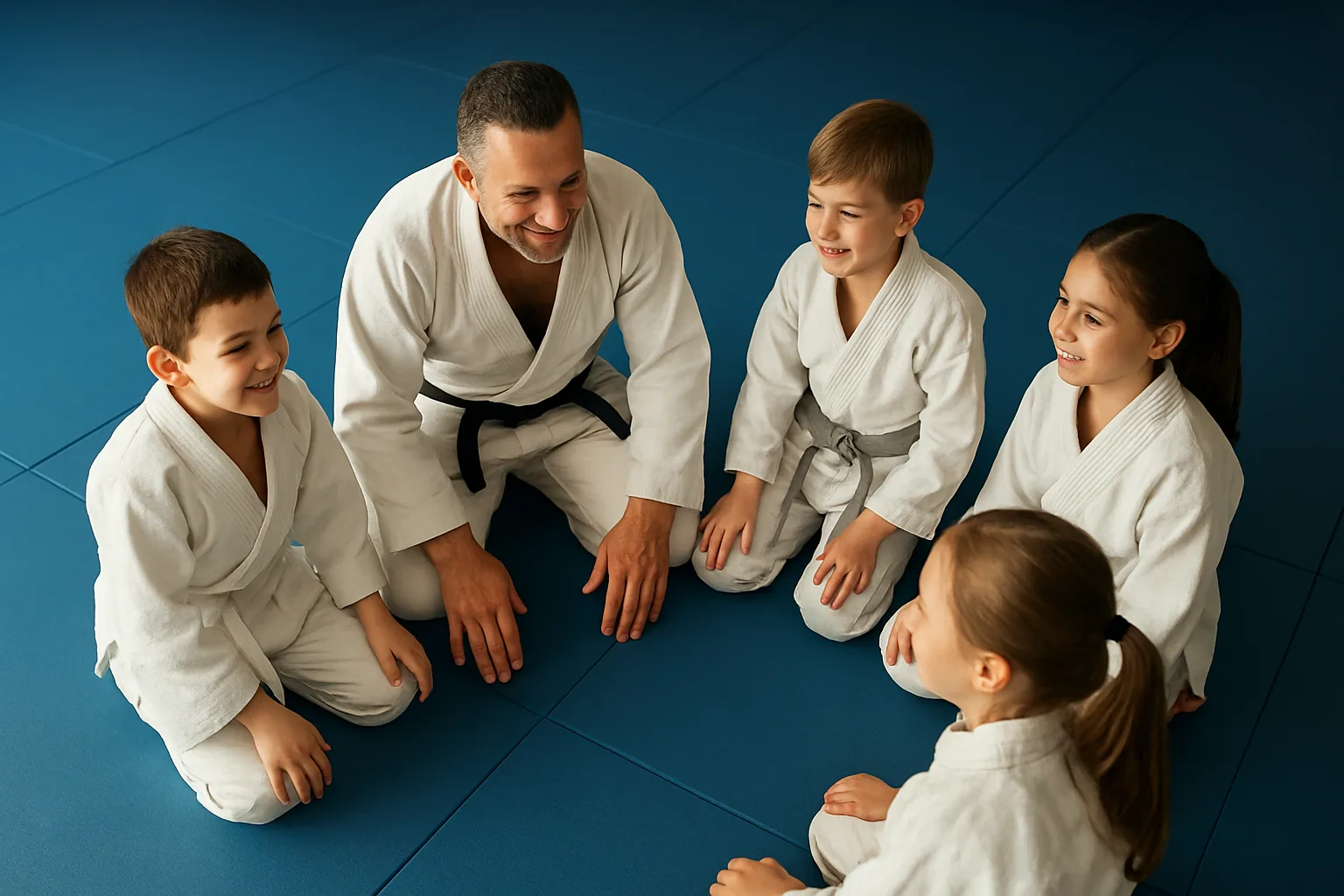
The academy organizes instruction by age, level, and technical development. That structure matters because a first-time student needs instruction that matches their experience, rather than being expected to keep up with advanced techniques. The Renzo Gracie lineage provides the program’s technical foundation, while instructors guide each student’s individual progress.
Parents may also appreciate that learning happens through a progression rather than a single dramatic milestone. Children first become familiar with class routines and basic movement, then build understanding through repetition and instructor feedback. This gradual approach can make a new activity feel more manageable: a beginner can concentrate on listening, trying a movement, and practicing respectfully instead of worrying about mastering everything at once. Families should discuss individual expectations with the academy, since children’s comfort and progress vary.
What Children Can Expect in a First Class
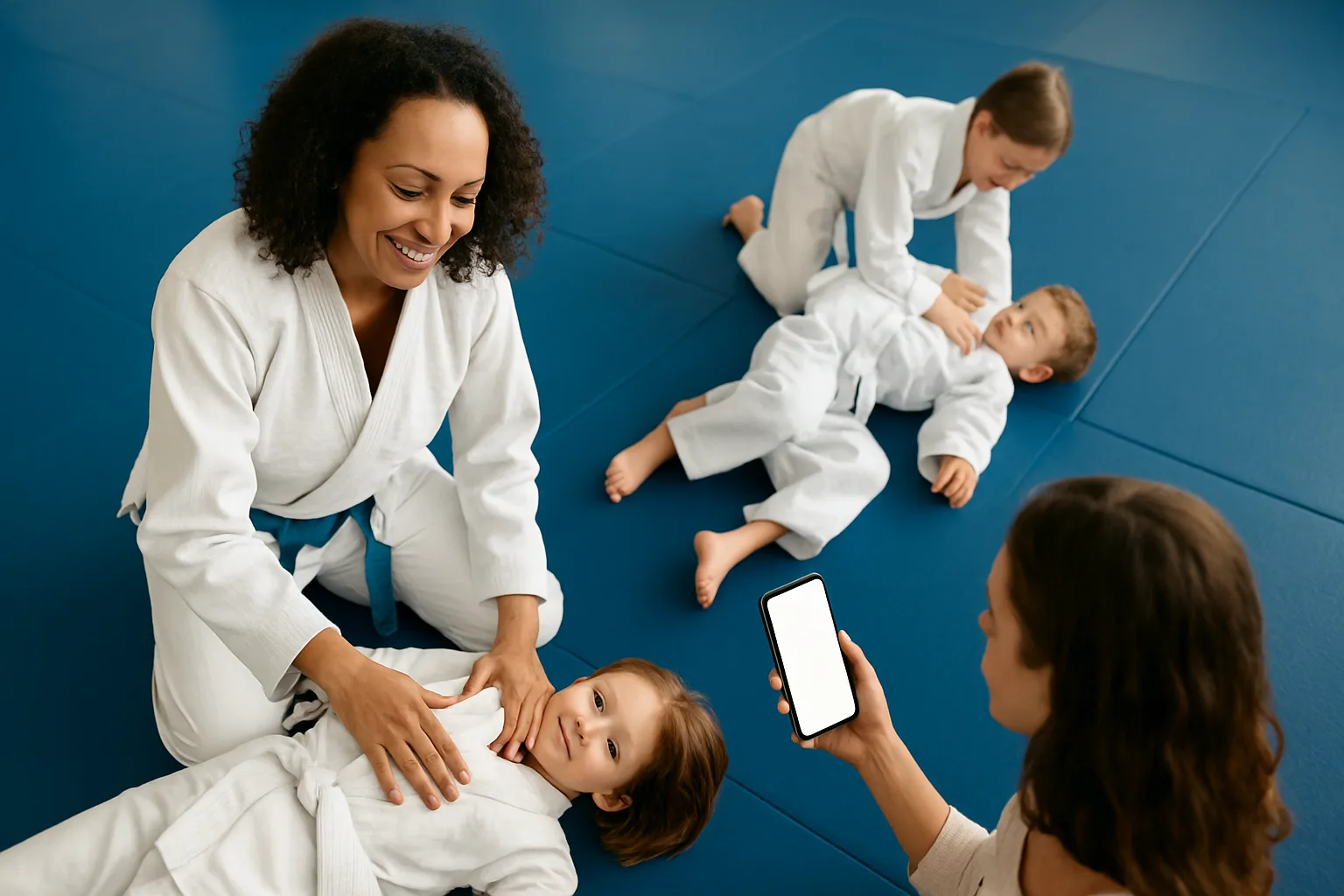
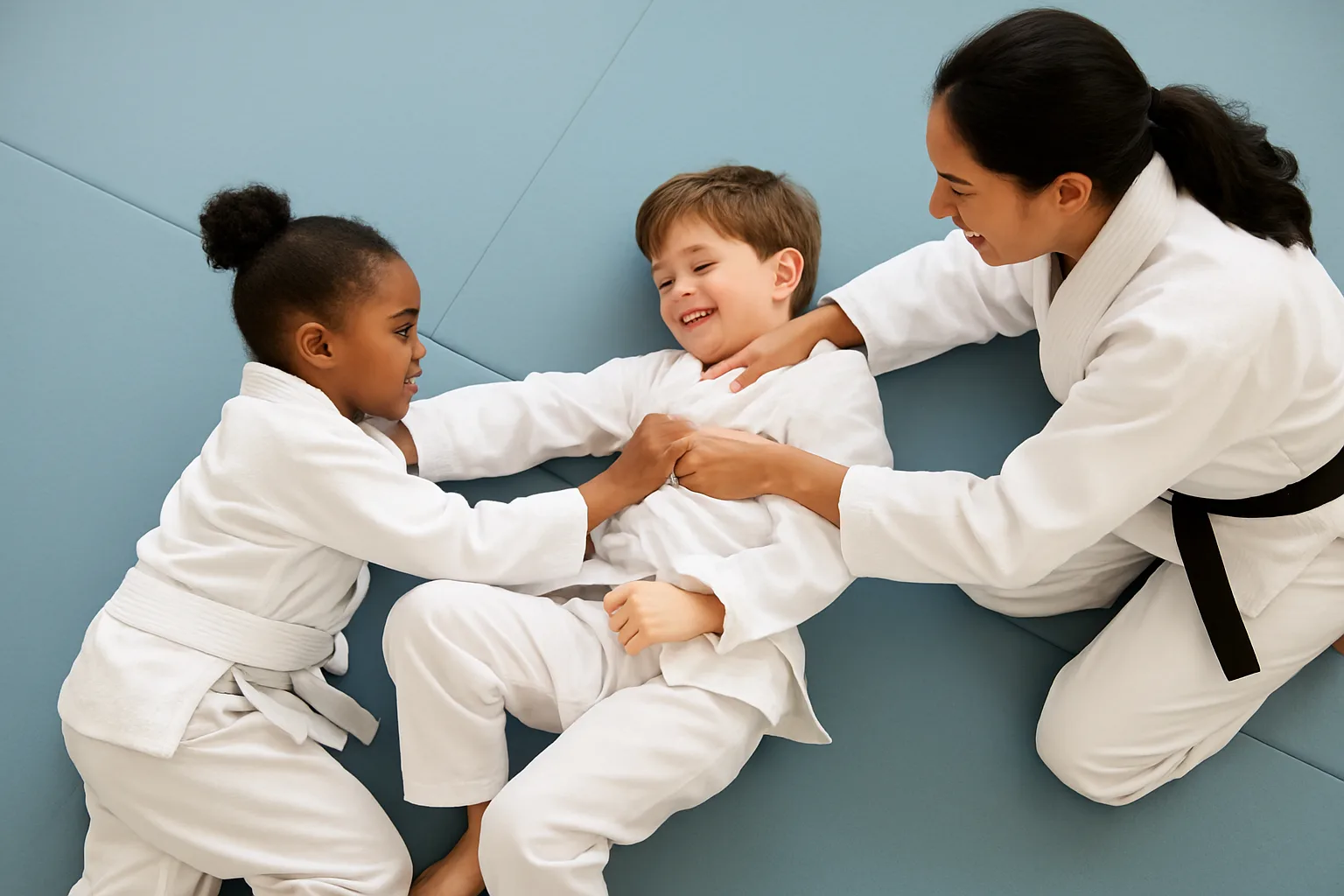
A beginner’s first class should make the learning process understandable and supervised. Children do not need prior experience to start; the class introduces basic movement and expectations before students build toward more complex skills.
Parents can expect a structured setting where students learn to follow directions, participate respectfully, and practice under instructor supervision. The exact lesson can vary, so families should ask the academy about class logistics, attire, and age placement before attending. In particular, a free trial lets a child experience the teaching environment and lets parents observe whether the structure feels like a good fit.
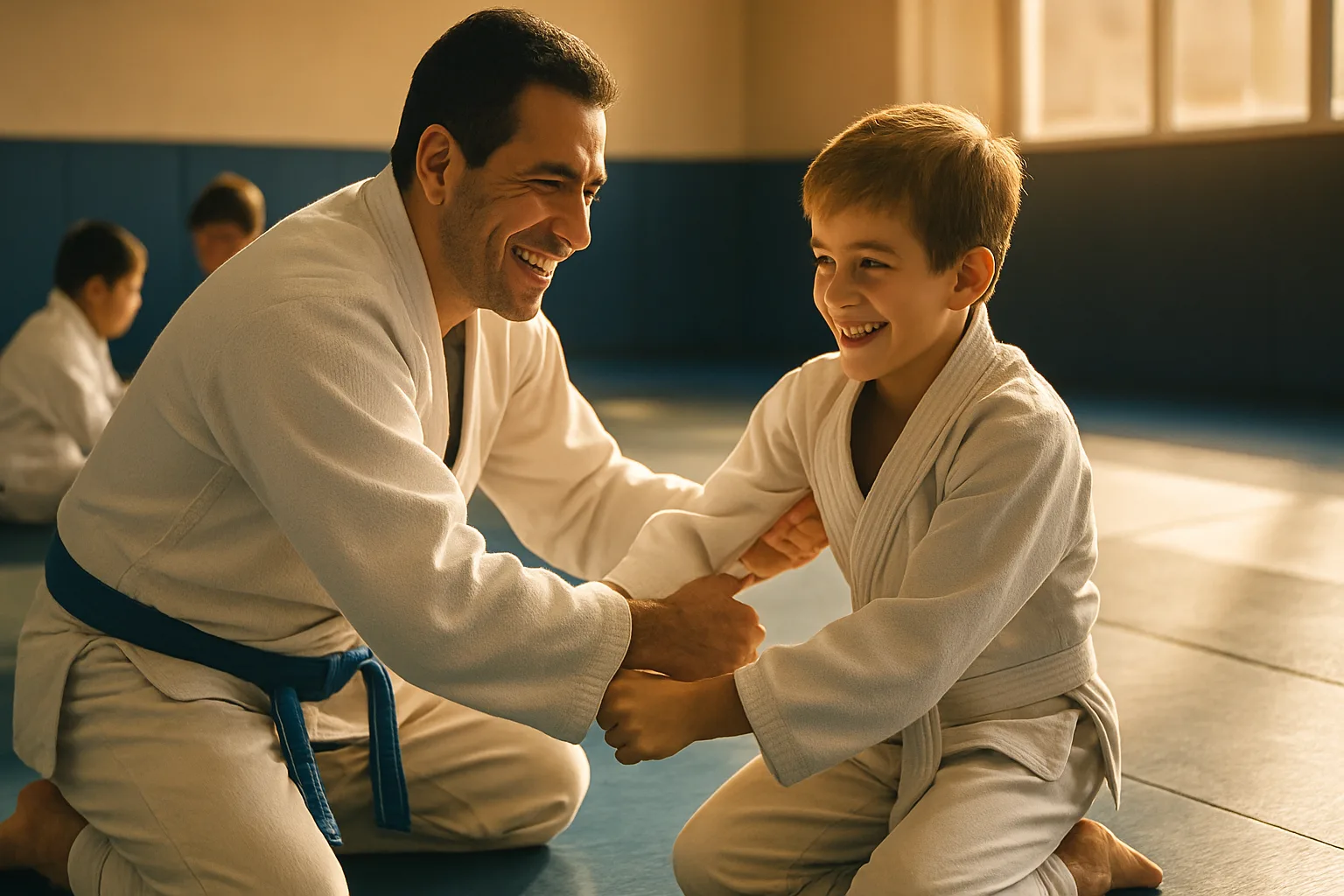
Early training often emphasizes foundational movement, body awareness, balance, controlled practice, and safe participation. Instructors can provide technical feedback as children progress. Beginners can focus on learning one step at a time instead of measuring themselves against experienced students.
A child may feel shy, energetic, or uncertain during an initial visit. Those reactions are normal; parents can help by framing the class as an opportunity to learn rather than a test. Before leaving home, keep the explanation simple: the child will meet an instructor, listen, try beginner activities, and see how the class feels. Afterward, ask what the child enjoyed and what felt unfamiliar. That conversation can help families decide whether to continue without putting pressure on the child to make an immediate commitment.
Parents can also use the visit to understand how the academy communicates its expectations. Ask what to bring, how early to arrive, and whether there are any participation guidelines to know in advance. Confirming these details directly with the academy helps the first visit go smoothly and avoids relying on assumptions about schedules or equipment.
Skills Children Can Develop Through Consistent Training
Consistent Brazilian Jiu-Jitsu practice can give children regular opportunities to work on physical skills and personal habits. Outcomes differ by student, and training complements—not replaces—support at home and school.
The program at Renzo Gracie Doral emphasizes several areas that matter to families:
- Confidence and posture: Children practice moving with purpose and taking part in a structured group activity. Repeated chances to try unfamiliar movements can help a beginner become more comfortable participating.
- Focus and listening: Following instruction and waiting for a turn give students repeated opportunities to pay attention, remember directions, and respond to coaching.
- Respect and self-control: Supervised practice reinforces boundaries, sportsmanship, and controlled participation. Children learn that technical practice depends on listening and treating partners appropriately.
- Situational awareness: Students work on noticing positions, movement, and context instead of reacting without thought. Awareness is a skill to practice, not a guarantee of a particular response in every situation.
- Physical development: Training involves movement and technical practice that can support coordination, balance, and fitness. Children build familiarity with body movement through guided participation.
- Bullying awareness: The children’s program includes a prevention focus, including confidence and awareness—not a promise that bullying will never occur. Families should continue working with trusted adults and school staff when concerns arise.
How to Choose Kids’ Brazilian Jiu-Jitsu Classes in Doral
The right beginner program is one where families understand the class structure and feel comfortable with the supervision. A convenient location is useful, but parents should also consider how the academy organizes instruction and supports a new student’s progress.
Use a visit or trial class to ask practical questions. For example, find out how students are grouped, how instructors help children who are new, and what parents should know about participation. Renzo Gracie Doral offers classes structured by age, level, and technical development, plus instructor attention to individual technical progress.
It can help to distinguish between a program’s stated goals and what any individual child will experience. An academy can provide a consistent setting for practice, but each student’s comfort, interests, and pace are personal. The trial class is an opportunity to notice whether instructions are clear, whether the group structure is understandable, and whether your child feels ready to try again.
Before enrolling, consider these points:
- Age and level placement: Ask which group suits your child’s age and experience, and how placement can change as skills develop.
- Supervision and organization: Learn how instruction is structured and how students practice safely under supervision.
- Beginner support: Ask how instructors explain foundational skills and help children who need extra time or clarification.
- Development goals: Discuss the program’s emphasis on confidence, discipline, respect, awareness, and physical development.
- First-visit logistics: Confirm class times, clothing requirements, attendance expectations, and any other preparation details directly with the academy.
- Trial experience: Use the free trial class to observe the environment and see how your child responds to the teaching style.
- Communication: Find out how parents can raise questions about a child’s comfort, progress, or any specific participation needs.
Helping a Beginner Settle Into Training
A calm, realistic first-week plan can help a child approach a new activity with curiosity. Parents do not need to teach techniques in advance; instructors are there to guide the technical learning.
Before class, explain that beginners learn through practice and that asking for help is appropriate. Arrive with enough time to check in and follow the academy’s guidance. During class, allow instructors to lead rather than coaching from the sidelines, unless staff invite parent participation. This helps the child focus on the lesson and receive consistent directions.
After class, keep feedback specific and encouraging. Instead of asking whether the child was the best, ask what new movement they tried or what they learned about listening and respect. Make room for the child to share any discomfort or questions. If the student wants to return, consistent attendance gives instructors a better opportunity to support gradual progress.
Families should remember that children develop at different rates. One student may quickly become comfortable in a group, while another needs several visits to feel at ease. Patience and communication with instructors are useful parts of the beginner experience. If a child is nervous, acknowledge the feeling without suggesting that they must continue or quit immediately. A low-pressure conversation helps parents understand whether the concern is ordinary first-day uncertainty or something they should clarify with the academy.
At home, families can reinforce the same habits that support progress in class: listening, taking turns, showing respect, and speaking up when something feels uncomfortable. The aim is not to rehearse techniques outside class, but to help a child understand that learning includes both effort and thoughtful communication. Over time, parents can check in about what the child enjoys and whether the activity still feels worthwhile.
Is a Beginner BJJ Program a Good Fit for Your Child?
A beginner program may suit a child who is interested in movement, learning a martial art, or practicing discipline in a supervised environment. It can also be worth exploring for families seeking structured activities that address confidence, awareness, and physical development.
Jiu-Jitsu is not the only path to those goals, and every child has different interests and needs. Talk with your child about trying a class and observe how the academy communicates its expectations. If a child has health, accessibility, or other specific needs, discuss them with the academy before participating so staff can clarify whether and how the class can accommodate them.
Renzo Gracie Doral serves families in Doral, Florida, with children’s and teen Brazilian Jiu-Jitsu, adult training, women-only self-defense classes, and other self-defense training. For a family focused on a child’s first experience, the most relevant next step is to ask about age-appropriate placement and book the free trial class. That visit can help parents assess the environment and help the child decide whether training feels engaging.
The academy’s broader offerings may also be relevant to families with different goals. Teens and adults can explore their own Brazilian Jiu-Jitsu training, while women interested in a structured self-defense program can ask about the women-only classes. Each program has a distinct audience, so families should confirm the appropriate schedule and details directly with Renzo Gracie Doral. For a beginner child, keep the decision focused on the child’s readiness, the class structure, and whether the experience feels positive and well supervised.
Frequently Asked Questions
Does my child need experience before joining a beginner BJJ class in Doral?
No prior Brazilian Jiu-Jitsu experience is required for a beginner. Renzo Gracie Doral organizes programs by age, level, and technical development, so ask the academy which group is appropriate for your child.
What does a child learn in Brazilian Jiu-Jitsu?
Children learn grappling fundamentals and practice movement, positioning, and controlled technique. The program also emphasizes confidence, posture, respect, situational awareness, and bullying prevention.
Can a free trial class help my child decide?
Yes. A free trial gives your child a chance to experience the class and gives you an opportunity to observe the structure and instruction before deciding whether to continue.
How does Renzo Gracie Doral support beginners?
The academy separates programs by age, level, and technical development, and instructors focus on supervised training and individual progress. Contact the academy to confirm which class fits your child.
Will Jiu-Jitsu guarantee my child can stop bullying?
No class can guarantee that bullying will not happen or that a child can resolve every situation alone. The children’s program focuses on confidence, posture, awareness, respect, and prevention, which can complement guidance from parents and schools.
What should I ask before enrolling my child?
Ask about age and experience placement, supervision, beginner instruction, class logistics, and what to expect during a trial. You can also discuss any specific health or accessibility needs with the academy.
Are children’s classes separate from adult training?
Renzo Gracie Doral offers Brazilian Jiu-Jitsu programs for children, teens, and adults, with programs organized by age and level. Confirm the schedule and group placement directly with the academy.
Conclusion
Starting Brazilian Jiu-Jitsu does not require a child to arrive confident, athletic, or experienced. It requires a structured first step, patient instruction, and a setting where the child can learn at an appropriate pace. Renzo Gracie Doral’s children’s program emphasizes technical development alongside confidence, discipline, respect, posture, and situational awareness.
Families in Doral can ask about age and level placement and use the free trial class to see whether the program fits their child. Consider the child’s response to the instruction, the organization of the class, and whether the experience feels supportive. A thoughtful first visit can turn uncertainty into a clear decision about what to try next, while giving a beginner the chance to approach Brazilian Jiu-Jitsu one step at a time.